Autumn Camping: Shorter Days and Better Camp Routines
How to plan daylight, warmth, food, condensation control, and evening tasks when autumn temperatures and sunset times change quickly.
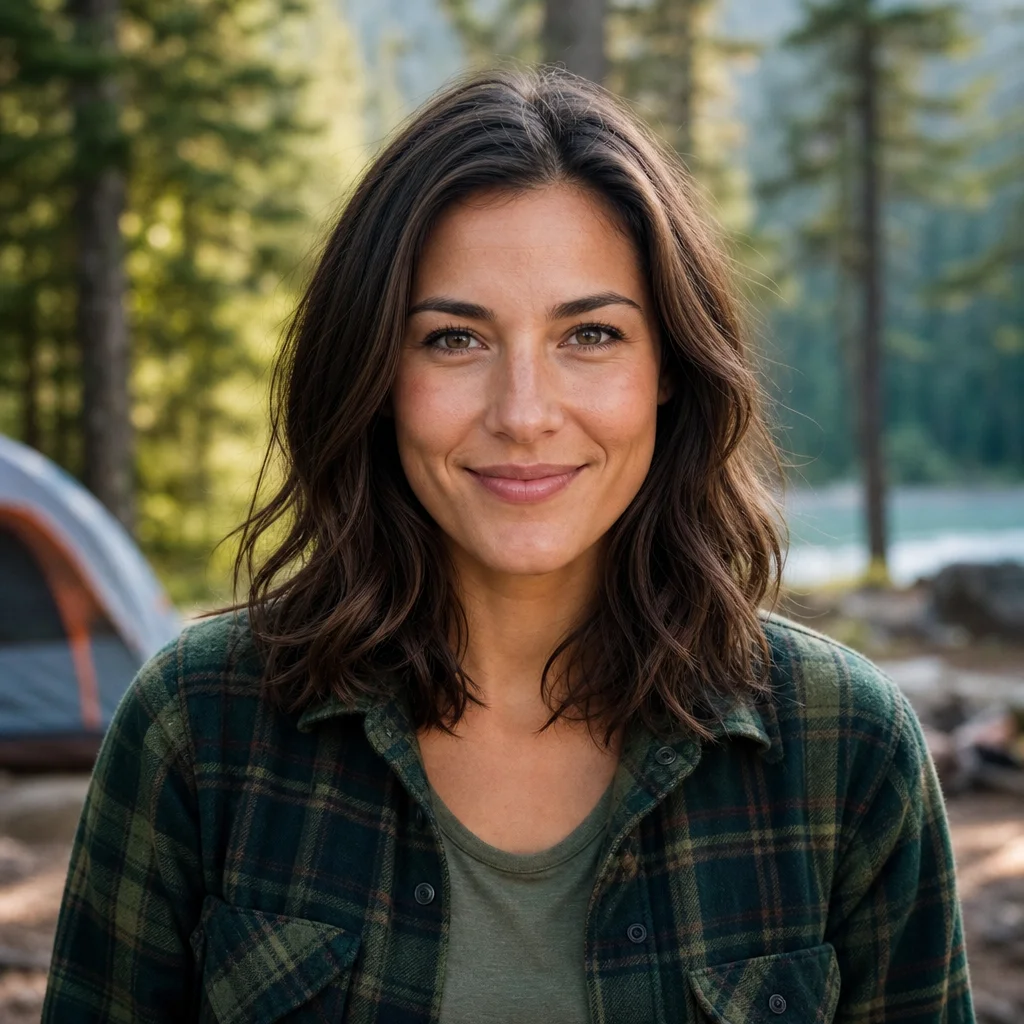
Autumn camping can feel wonderfully calm: fewer crowds, less heat and often fewer insects. It also leaves less room for a casual routine. Sunset arrives earlier than many campers expect, damp air can make a tolerable temperature feel chilly, and a small delay at camp can turn supper setup into a job for headlamps.
The solution isn't to pack for a winter expedition. It is to shift the order of your day, build a warmer sleep system and give wet gear somewhere sensible to go. A few dependable routines will make a short autumn trip feel relaxed rather than rushed.
Check the conditions for your autumn campsite
Before leaving, check the official park, campground or land-manager website for operating dates, gate access, water availability, washroom closures, fire restrictions, food-storage rules and local weather alerts. In autumn, services and road access can change quickly, even at campgrounds that remain open. Confirm the forecast for the specific campground or trailhead, including overnight low temperatures, wind and precipitation—not only the nearest city.
Plan around darkness, not just the clock
In much of Canada, the useful evening window shrinks quickly through September and October. A campsite that feels easy to manage at 8 p.m. in July may be fully dark well before supper is finished in autumn.
Start by finding the expected sunset time for your destination and date. Then work backwards. Aim to arrive with enough daylight to complete the jobs that are harder in the dark:
- find and inspect your site;
- pitch the tent and set the rain fly;
- collect water or identify the nearest tap;
- organize food and cooking gear;
- locate the washroom, bear-proof storage or waste facilities; and
- gather permitted firewood, if you plan to have a fire.
For a drive-in site, arriving two to three hours before sunset gives you a useful buffer. A backpacking trip needs more margin because route-finding, breaks and trail conditions can slow your pace. If your arrival time is uncertain, make your first meal simple enough to prepare with a stove and headlamp.
Set up in a useful order
When daylight is limited, resist the urge to unpack everything. Establish shelter first, then warmth, water and food.
A practical setup sequence is:
- Pitch the tent. Choose a durable, legal site with good drainage. Avoid obvious low spots where cold air and water can collect.
- Make the sleeping area ready. Inflate pads, lay out sleeping bags and put dry sleep clothes inside the tent.
- Create a dry cooking and sitting area. A tarp or vestibule can help, provided cooking takes place in a well-ventilated outdoor space and follows local rules.
- Organize water and supper. Put the stove, fuel, lighter, pot and food where you can reach them without searching after dark.
- Finish the small jobs. Put on extra layers, prepare your headlamp, and deal with garbage and food storage before settling in.
This order matters because a finished tent and sleep system give you a dry fallback if rain begins or temperatures fall faster than expected.
Treat light as essential equipment
A phone flashlight is useful as a backup, but it is awkward for cooking, pitching a tent or walking to the washroom. Bring a headlamp for each person, plus fresh batteries or a charged power bank where appropriate. A small lantern can make a table easier to use, though it doesn't replace hands-free light.
Use low-output or red-light settings for routine tasks when possible. They preserve night vision, reduce glare inside a tent and are kinder to nearby campers. Save bright light for site setup, navigation and genuine safety needs.
Keep your headlamp in the same place every evening: a jacket pocket, the tent door pocket or your kitchen bin. The best time to look for it isn't when the last light disappears.
Build warmth from the ground up
Autumn comfort depends on the entire sleep system, not just the number printed on a sleeping bag tag. The ground pulls heat from your body steadily, especially when the soil is cool or damp. A warm bag paired with an inadequate sleeping pad can still leave you cold.
Match your sleep system to the expected low
Use the forecast overnight low as a starting point, then add a margin for wind, humidity, fatigue, sparse clothing or a personal tendency to sleep cold. Sleeping bag ratings aren't identical across brands, and a listed lower limit isn't necessarily a comfortable temperature for every camper.
For cool-weather camping, prioritize:
- an insulated sleeping pad with an appropriate R-value or stated cold-weather suitability;
- a sleeping bag or quilt suitable for the anticipated temperature range;
- dry base layers reserved for sleeping;
- warm socks and a toque; and
- a properly sized bag, with the hood and draft collar used as intended if it has them.
Don't rely on piling loose blankets inside a sleeping bag. They can compress insulation or make it hard to seal warmth around your body. If you need more insulation, a liner, an overquilt, warmer clothing or a better-rated sleep setup is usually more effective.
For car camping, an extra closed-cell foam pad beneath an air pad is a flexible way to increase insulation. It also provides a backup sitting pad around camp.
Stay dry before you get into the bag
Going to bed slightly chilled is uncomfortable; going to bed damp is worse. Change out of wet socks, rain gear and sweaty hiking layers before climbing into your sleeping bag. Keep sleep clothes dry all day in a waterproof bag or pack liner.
Avoid overheating during late-afternoon chores. If you work up a sweat gathering gear, carrying water or setting up a tarp, slow down or remove a layer. Moisture held in clothing can make you feel cold once you stop moving.
A warm drink and a filling evening meal can help you feel comfortable, but neither replaces a suitable sleep system. Avoid treating alcohol as a warming strategy: it may create a brief sensation of warmth while increasing heat loss and can interfere with sound sleep.
Make supper easier as the temperature drops
In autumn, choose meals that fit your actual time, light and energy. A complicated camp recipe can still be enjoyable, but it is easier when the main preparation is done before leaving home.
Good cool-weather options include:
- dehydrated meals enhanced with olive oil, nuts or shelf-stable protein;
- chili, stew or curry prepared at home and reheated safely in a cooler-based car-camping setup;
- pasta with a pre-measured sauce and quick-cooking vegetables;
- soup with bread, cheese or a protein add-on; and
- oatmeal, couscous or instant mashed potatoes as quick warm side dishes.
Pre-portion ingredients and pack the stove kit together: stove, compatible fuel, lighter, pot, mug, utensils and a windscreen only if the stove manufacturer allows it. Never use a fuel-burning stove, barbecue, charcoal grill or fire inside a tent, vehicle, enclosed shelter or poorly ventilated vestibule. Carbon monoxide and fire risks are serious even when the weather is cold or wet.
Keep water and fuel working reliably
Cold temperatures can affect stove performance, particularly for some canister fuels. Use fuel and a stove suited to the expected conditions, follow the manufacturer’s instructions and test unfamiliar gear before the trip. Keep fuel away from direct flame and don't try to warm it with unsafe methods.
Water may be colder, taps may be shut off, and natural sources may be less convenient to reach than expected. Carry enough water for arrival and your first evening, even if you expect a campground tap. If using water from a natural source, use a treatment method appropriate to the water quality and conditions, and follow local advisories.
Manage condensation instead of trying to eliminate it
A damp tent interior doesn't always mean your tent is leaking. In cool autumn conditions, warm humid air from breathing, cooking nearby or drying clothing can condense on colder tent walls. Wet ground, rain and still air add to the problem.
You can reduce condensation, though not always prevent it completely.
Improve airflow and campsite choice
Pitch the tent on a well-drained site rather than in a hollow where moisture and cold air settle. Use the rain fly correctly and stake it out to maintain separation between the fly and inner tent. If conditions allow, open vents and leave a small, protected gap at a door or vestibule to encourage airflow.
Keep wet boots, rain gear and packs in the vestibule or under a tarp rather than against the tent walls. Don't drape wet clothing over your sleeping bag. If you need to dry small items, hang them where they won't block ventilation, and expect the process to be slow in humid weather.
Bring a small absorbent camp towel or microfibre cloth. In the morning, wipe down heavy condensation before packing. It won't dry the tent completely, but it can prevent water from soaking the rest of your gear.
Separate wet gear from dry gear
Use simple categories in your tent and vehicle or pack:
- sleep gear: always dry and packed in waterproof protection;
- dry camp layers: insulated jacket, toque and gloves for evenings;
- wet gear: rainwear, boots and damp clothing kept outside the sleeping area; and
- kitchen gear: stored according to campground rules and wildlife guidance.
This system is especially helpful on multi-night trips. Once a sleeping bag or spare clothing becomes damp, restoring comfort can be difficult without a long dry spell.
Finish important chores before supper
After dark, ordinary tasks take longer and feel more complicated. The easiest habit is an early-evening reset: complete anything that would be inconvenient in rain, darkness or cold before you start cooking.
Before supper, consider:
- filling water bottles for overnight and breakfast;
- laying out tomorrow’s clothing, including rain gear if needed;
- placing headlamps where everyone can find them;
- securing food, garbage, coolers and scented items as required;
- confirming the route to the washroom or leaving a light ready for it;
- checking tent stakes, guylines and rain fly tension; and
- charging or protecting essential electronics from cold and damp.
Guyline reflectors or small reflective markers can reduce nighttime stumbles around a tent or tarp. Keep walkways clear, and don't place a firepit, stove or lantern where someone could brush against it while moving in the dark.
Adapt your campfire expectations
A fire can be pleasant on a cold evening, but it should be a bonus rather than your only warmth plan. Rain, wind, damp wood, seasonal restrictions and a late arrival can all make a fire impractical. Bring enough clothing and sleep insulation to stay comfortable without one.
If fires are permitted, use the designated fire ring, burn only approved local firewood and fully extinguish the fire according to site rules. Never bring firewood across regions where it may spread invasive pests. Keep a supply of water nearby where appropriate, and avoid leaving a fire unattended while preparing for bed.
In many places, fire rules and seasonal closures change with conditions. Check the managing authority’s current information rather than relying on a previous visit or a general provincial guideline.
Create a short morning routine too
Autumn mornings can be cold, wet and slower than expected. Pack in an order that protects critical dry items. Put on warm layers before leaving the sleeping bag, make a hot drink if desired, and pack sleeping gear into waterproof bags before taking down the tent.
If the tent is wet, shake off loose water and pack it separately from dry gear. At home, or at the next suitable opportunity, set it up or hang it to dry thoroughly. Packing a wet tent for an extended period encourages mildew and can damage coatings or fabric.
For a departure day with driving, hiking or paddling ahead, keep a quick-access layer and rain shell outside the main pack. This saves you from unpacking everything at the trailhead or roadside when the temperature changes again.
Use a simple autumn camp checklist
The most useful autumn additions are usually small rather than elaborate:
- headlamp for each camper, with spare power;
- insulated sleeping pad and suitable sleeping bag;
- dry sleep layers, warm socks and toque;
- rain shell, insulating mid-layer and extra gloves or mitts;
- tarp or vestibule plan for wet gear and cooking preparation;
- camp towel for condensation;
- simple, quick evening meal and hot-drink supplies;
- waterproof bags or liners for sleep gear and clothing; and
- enough water for the first evening if services are uncertain.
For your next trip, check sunset time and overnight temperatures first, then choose an arrival time and meal that fit those realities. Pack your tent, sleep system and light sources so they are accessible on arrival. With those foundations in place, autumn camping becomes less about racing the dark and more about enjoying the quiet that comes after it.