Camping With a Newcomer to Canada: Making Outdoor Assumptions Explicit
Practical guidance for making a Canadian camping trip welcoming and clear when someone in the group is new to camping or new to Canada.
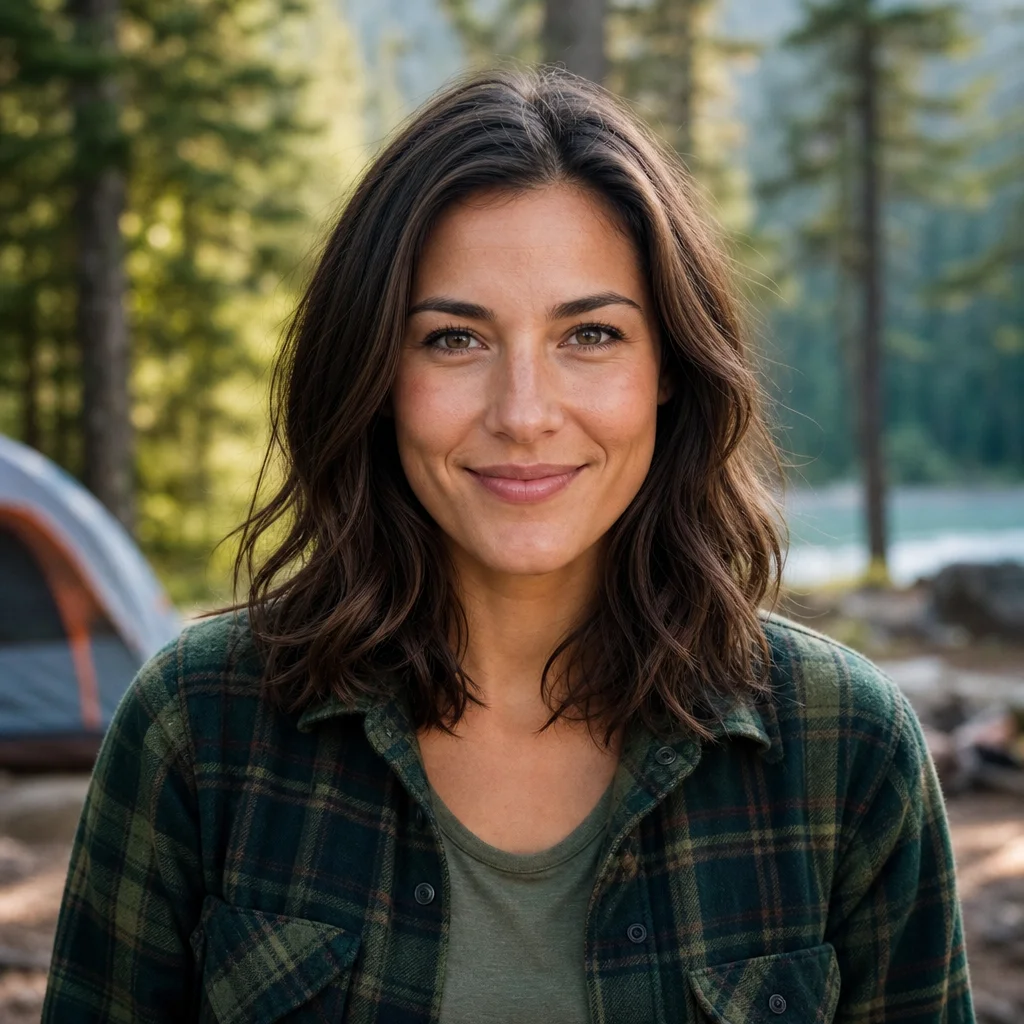
Camping can involve a surprising number of unspoken rules: how cold a summer night can feel, what “bring layers” actually means, who cooks, where food goes after dinner, and whether a short hike may include uneven ground, bugs, rain, or a long drive from the nearest shop.
When you camp with a newcomer to Canada, the goal isn't to turn the trip into an orientation session. It is to make the plan clear enough that nobody has to guess what they are agreeing to. A little specific communication helps a first trip feel manageable, safe, and enjoyable for everyone.
Start with a plain-language invitation
Avoid broad invitations such as “We’re going camping this weekend—want to come?” without details. “Camping” can mean a serviced site close to town, a backcountry paddle trip, a cabin stay, or sleeping in a tent during near-freezing weather. Even experienced campers may picture something different from what you have planned.
Give the practical outline early:
- where you are going and how long the drive will be
- whether the site is front-country, walk-in, or backcountry
- where everyone will sleep and whether a tent, sleeping bag, and sleeping pad are supplied
- whether there are toilets, drinking water, showers, electricity, cell service, or nearby stores
- how far you expect to walk and over what sort of terrain
- the likely weather range, including overnight temperatures
- the expected costs and how you will divide them
- what each person needs to bring
It can help to describe the trip in ordinary terms: “We’ll park beside the campsite, sleep in a shared six-person tent, cook on a camp stove, and use a nearby toilet building. It may be around 8°C overnight, and rain is possible.” That tells someone far more than “car camping at a provincial park.”
Ask open questions rather than assuming silence means comfort. For example: “Have you camped before, or would it help if I explained the setup?” and “Is there anything that would make sleeping outdoors difficult or uncomfortable for you?” A person may be unfamiliar with camping, reluctant to appear inexperienced, managing an injury, observing dietary rules, or simply unsure whether they are expected to own outdoor equipment.
Explain the campsite routine before you leave
A campground has routines that regular campers may barely notice. Talk through them in advance, especially if your guest will arrive after dark or travel separately.
Explain where you will meet, how to find the site, and what to do if mobile service disappears. Share a downloaded map or screenshot, campground name, site number if assigned, and a backup contact plan. Let them know whether vehicles need a permit displayed and whether gates or quiet hours affect arrival.
At camp, show the basics without making it a test:
- Set up sleeping space first. Put up the tent, arrange sleeping pads and bags, and identify a dry place for shoes and clothing.
- Show the water plan. Point out the water source, explain whether it is treated, and make clear when water needs filtering, boiling, or other treatment.
- Walk through toilets and washing. Explain the location of washrooms or an outhouse, handwashing options, and where grey water or dishwater should go according to local rules.
- Set up food storage. Make it clear that food, coolers, dishes, cooking gear, pet food, scented toiletries, and garbage may all need secure storage—not just obvious snacks.
- Agree on the evening plan. Confirm dinner timing, the fire plan, lighting, quiet hours, and what happens if it rains.
Keep tasks collaborative. Rather than handing a newcomer an unfamiliar job, offer choices: “Would you rather help with tent poles, chop vegetables, or get chairs set up?” Demonstrating once, then letting someone try if they wish, is usually more welcoming than taking over.
Make Canadian weather expectations concrete
Canada is large, and conditions differ sharply by region, elevation, season, and even time of day. Still, one expectation is useful almost everywhere: a warm forecast doesn't guarantee a warm, dry, or comfortable night outdoors.
Instead of saying “bring a jacket,” explain the conditions and the purpose of each item. A simple clothing system is easier to understand than a long gear list:
- a base layer that can stay relatively dry next to the skin
- a warm middle layer, such as fleece, wool, or an insulated jacket
- a waterproof or water-resistant outer layer suitable for the forecast
- dry socks and warm sleep clothes kept separate from daytime clothing
- a hat or toque for cool evenings and nights
- sun protection, including a hat, sunglasses, and sunscreen when conditions call for it
Cotton clothing isn't automatically a problem for every summer activity, but it can stay wet and lose warmth in cool or rainy conditions. For sleeping and active outdoor time, a dry change of clothes is especially valuable.
Don't assume a guest knows that a sleeping bag alone is enough. A sleeping pad provides insulation from the ground as well as cushioning. Confirm that each person has a bag and pad appropriate for the expected overnight conditions, and bring spare blankets or an extra insulated layer where practical. A large tent may have room for several people, but it can still feel chilly, damp, noisy, or crowded.
Check the conditions for your specific campsite
Before packing, check the current forecast and weather alerts for the campground or trail area—not only the nearest city. Confirm overnight low temperatures, wind, rain, air-quality notices, and any seasonal hazards through Environment and Climate Change Canada and the relevant park or campground authority. If conditions change materially, adjust the plan, gear, or destination rather than expecting a first-time camper to simply endure it.
Treat wildlife precautions as a group routine
Wildlife safety isn't about making the trip frightening. It is about making food and scent management ordinary, consistent habits. Wildlife species and campground rules vary across Canada, so avoid relying on advice that applies to another province or another type of site.
At a minimum, explain that wild animals may be attracted to anything with an odour. Food, garbage, coolers, cookware, dishwater, toothpaste, sunscreen, and scented products can all matter. Show everyone exactly where items belong when they aren't in active use. Depending on the site, that may be a hard-sided vehicle, a bear-resistant locker, a storage box, or another approved system.
Be specific about what does not belong in the tent. In many camping settings, keeping food and scented items out of sleeping areas is a sensible baseline, but the campground’s instructions take priority. Don't leave a newcomer to infer whether a cooler by the picnic table is acceptable overnight.
For hikes, describe the plan in a calm, practical way. Stay together or agree on a clear spacing plan, make normal human noise where visibility is limited, keep children close, and don't approach, feed, or try to photograph wildlife from close range. If you carry wildlife deterrents, such as bear spray where appropriate, the person carrying it should know how it works, when it may be used, and how it will be carried safely. It isn't a substitute for choosing suitable routes and following local guidance.
Confirm local wildlife and food-storage rules
Check the official park, conservation area, or land-manager page for current food-storage requirements, wildlife advisories, trail closures, pet rules, and any restrictions on bear spray or other deterrents. These directions can differ between front-country campgrounds and backcountry sites, and may change with local conditions.
Share equipment without leaving gaps
Loaning gear can make a camping invitation much more accessible. It also works best when the shared items are listed clearly. “We have extra gear” may mean a tent and chairs to one person, but a complete sleep system, rainwear, and cookware to another.
Make a simple shared-gear list with three columns: we will provide, please bring, and optional if you have it. Include the less obvious items:
| We will provide | Please bring | Optional |
|---|---|---|
| Tent, groundsheet, sleeping pad and sleeping bag | Personal medications, required clothing, toiletries | Camp chair, book, camera |
| Stove, fuel, cookware and dishes | Refillable water bottle and daypack | Extra blanket or pillow |
| Food storage setup, lantern and first-aid kit | Rain layer, warm layer, sleepwear and closed-toe footwear | Favourite snacks or games |
Check fit and condition before departure. A sleeping bag that is too small, a leaking pad, boots that rub, or a tent without enough usable space can turn a minor inconvenience into a difficult night. If someone is borrowing footwear, rain gear, or a pack, let them try it at home or well before the trip.
Also be transparent about shared equipment limits. One stove may mean staggered coffee in the morning. One tent may mean less privacy. A cooler may have limited space. These aren't reasons to avoid sharing; they are reasons to plan realistically.
Discuss food, comfort, and privacy respectfully
Food is often the social centre of a camping trip, and it is worth planning with care. Ask about allergies, dietary restrictions, religious or cultural food needs, preferred spice levels, and whether someone is comfortable sharing cooking tools with certain ingredients. Don't put a guest in the position of having to eat around the main meal or explain their needs at the picnic table.
Tell people what meals are planned, what is flexible, and whether they should bring personal snacks. A familiar breakfast, tea, coffee, or snack can make an unfamiliar environment feel much easier. If cooking together, assign tasks based on interest and confidence rather than assumptions about who should cook or clean.
Privacy deserves the same directness. Explain sleeping arrangements, washroom access, changing options, and whether there will be other people nearby. Some campers are comfortable changing inside a tent or using a towel at the beach; others will want a private changing tent, a washroom stall, or a different plan. Neither preference needs defending.
Make room for different comfort levels around insects, darkness, swimming, alcohol, campfires, and outdoor hygiene. Offer practical choices: a screened shelter, a headlamp, insect repellent, a chair close to camp, a non-swimming role during a beach stop, or permission to turn in early. Nobody needs to earn their place on the trip by being the toughest camper.
Set expectations for safety and decision-making
A welcoming trip has a clear plan for small problems. Let everyone know who has first-aid supplies, where vehicle keys are kept, how to reach help, and who is responsible for navigation if you leave camp. If a hike or paddle is part of the trip, describe the turnaround time and the conditions that would cause you to shorten or cancel it.
This is particularly important when a group has mixed experience. A newcomer may not recognize early signs of cold stress, dehydration, fatigue, or a developing blister, and an experienced camper may overlook how tiring a new activity feels. Normalize speaking up early: “If you are cold, wet, uncomfortable, or not enjoying the trail, say so. We can adjust.”
Keep the itinerary flexible enough to support that promise. A first camping trip doesn't need a packed schedule. One short walk, an unhurried meal, and time to learn the campsite can be a better introduction than trying to fit in every activity.
Leave room for questions—and a comfortable exit plan
The most useful question near departure is simple: “What are you unsure about?” Ask it without rushing and without treating any question as basic. Explain terms that campers often use casually, such as “pit toilet,” “portage,” “boil-water advisory,” “backcountry,” or “quiet hours.”
Where practical, make sure everyone knows the exit options. That might mean having a vehicle available, identifying the nearest town, agreeing on a pickup plan, or choosing a campground rather than a remote route for the first trip. An exit plan isn't pessimistic; it gives people confidence to try something new.
For your next trip, send a clear itinerary, a shared packing list, and a brief note on the campsite routine. Confirm the current rules and conditions, check that borrowed gear is suitable, and plan one low-pressure activity. When outdoor assumptions are made explicit, a newcomer can spend less energy decoding the experience and more time deciding what they enjoy about it.