How to Choose Between a Provincial Park, National Park, and Private Campground
Compare provincial parks, national parks, and private campgrounds in Canada by booking process, amenities, cost structure, access, privacy, and the kind of trip you want.
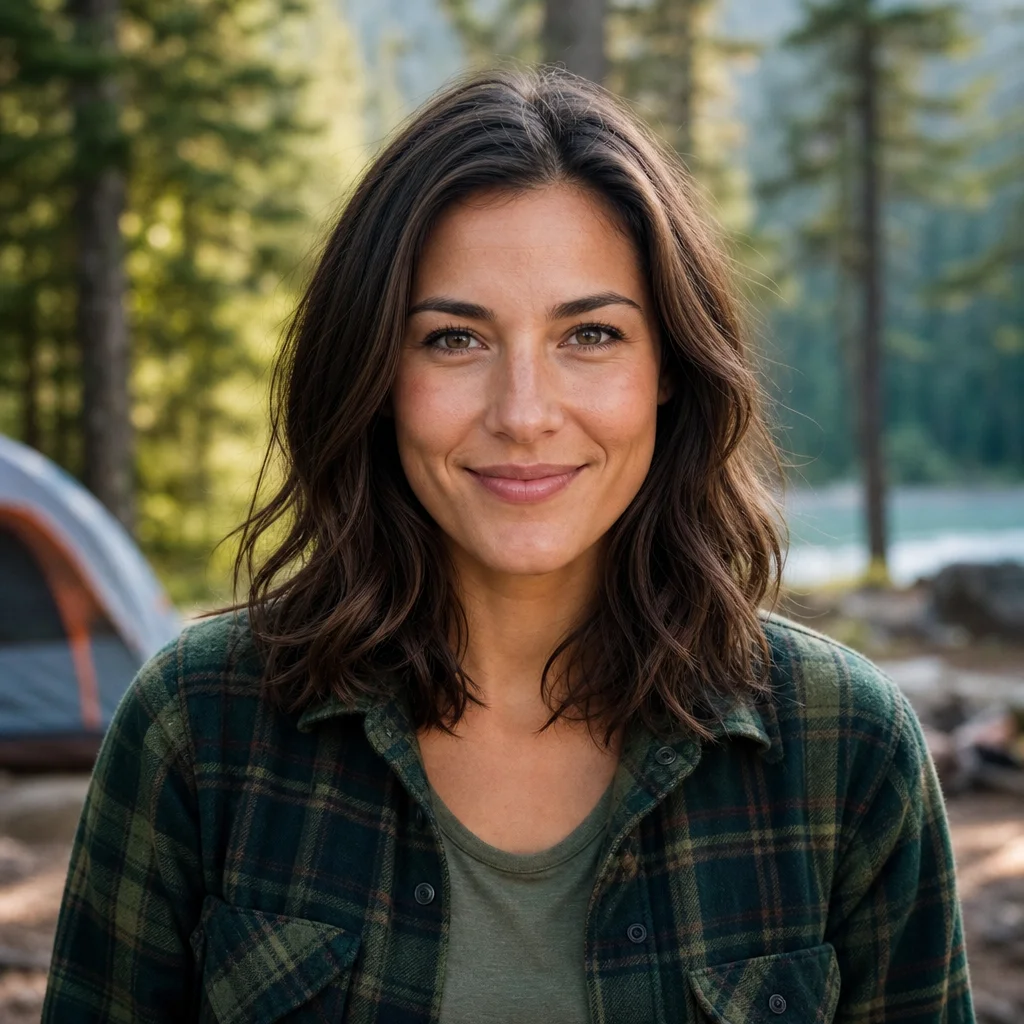
Choosing a campground isn't only about finding an open campsite. The type of campground shapes how you book, how close you are to services, what facilities are available, and how quiet or social the trip feels.
In Canada, a provincial or territorial park, a national park, and a private campground can all be good choices. The best fit depends on what you need from this particular trip: a first tent-camping weekend, a base for hiking, easy access to a town, a serviced RV site, or simply a place to sleep while travelling.
Before choosing your campground type
Confirm the current reservation opening dates, campsite rules, fees, fire restrictions, pet rules, vehicle requirements, and seasonal operating dates through the relevant provincial, territorial, federal, municipal, or campground operator website. These details vary widely and can change from one season to the next.
Start with the trip you want to have
A useful first question is: what would make this trip successful?
If you want a relatively straightforward first camping experience, look for a campground with potable water, flush toilets or well-maintained vault toilets, a nearby store, and a site that can be reached easily by car. That may be a developed provincial park or a private campground.
If your priority is a landscape, trail network, historic site, or paddling route, a provincial or national park may be the better starting point. These parks are often managed to protect natural and cultural features, so the campground may be part of a larger outdoor destination rather than the destination itself.
If you are travelling through an unfamiliar area, need full RV hookups, or want services within easy reach, private campgrounds can be particularly practical. They aren't all alike, though. One may be a quiet family-run camp near a lake; another may operate more like a busy resort with cabins, pools, events, and tightly spaced RV sites.
Provincial and territorial parks: a broad middle ground
Provincial and territorial parks are usually the first places many Canadian campers consider. They often combine developed campgrounds with access to beaches, lakes, trails, picnic areas, boat launches, and day-use facilities.
What to expect
A typical frontcountry campground in a provincial or territorial park has drive-in sites, a central comfort station or washroom building, drinking-water taps or fill stations, garbage facilities, and a campground road suitable for ordinary vehicles. Some sites have electrical service; many don't. Site size, tree cover, privacy, and proximity to water can differ substantially within the same campground.
Park campgrounds often suit campers who want nature without giving up basic infrastructure. You may be able to swim, hike, paddle, or cycle without leaving the park, while still having a designated campsite and maintained facilities.
The tradeoff is popularity. Parks near major population centres, well-known lakes, and long weekends can book quickly. A campground can feel busy even if individual sites are reasonably wooded, especially near washrooms, beaches, playgrounds, and main roads.
Booking and fees
Each province and territory manages its own parks and reservation approach. Some use a central reservation system; others direct campers to regional systems or individual parks. Reservation windows, account requirements, cancellation terms, and the number of nights you can reserve may differ.
Your total cost may include a campsite fee plus other charges, such as a park-entry or vehicle permit. Electrical sites, waterfront locations, and premium camping equipment may cost more than basic non-serviced sites. Check whether the displayed price includes taxes and whether there are separate fees for additional vehicles or equipment.
Best for
Provincial or territorial parks are often a strong choice when you want:
- A car-camping trip with beaches, trails, or paddling nearby
- A reasonably equipped campground without resort-style services
- A trip focused on a particular lake, forest, coastline, or recreation area
- A family-friendly setting with structured facilities
- A location within a manageable drive of home or a city
They may be less ideal if you need guaranteed full hookups, want to be within walking distance of restaurants and shops, or strongly prefer a very secluded site.
National parks: camping within a larger protected landscape
National parks are managed federally, generally through Parks Canada. Camping in one can put you close to exceptional landscapes, nationally significant places, and extensive trail or visitor-service networks.
What to expect
National park campgrounds range from basic tenting areas to highly developed campgrounds with electrical service, showers, kitchens, playgrounds, and shuttle connections. Some are close to busy visitor areas; others are more remote and have limited services.
Don't assume that a national park campground is either rustic or luxurious. The level of development is specific to the park and campground. A site may be walk-in, drive-in, oTENTik-style roofed accommodation, a serviced RV pad, or part of a backcountry route with entirely different planning requirements.
National parks can be especially rewarding when the park itself is central to your trip. You may want to spend multiple days hiking, cycling, visiting a historic site, taking a shuttle, or exploring a large protected area without moving camp every night.
Booking, entry, and planning tradeoffs
Many national park campgrounds use Parks Canada’s reservation service, but current reservation dates and participating locations should be checked for the season you plan to travel. Demand can be intense for famous parks and peak summer dates, while less-visited parks or shoulder seasons may offer more options.
A camping reservation doesn't necessarily cover park admission. Depending on the location and your plans, you may need a valid entry pass in addition to campground fees. Review the park’s current rules for vehicles, parking, food storage, pets, firewood, and campground quiet hours.
Distance is another important consideration. Some national parks are far from grocery stores, fuel, cellular service, and medical care. That remoteness can be part of the appeal, but it means you should arrive with enough food, water capacity, fuel, clothing, and a practical plan for weather changes.
Best for
Choose a national park campground when you want:
- Direct access to a major protected landscape or national historic place
- A trip built around hiking, sightseeing, wildlife viewing, paddling, or cycling
- A multi-day stay in one destination rather than a quick overnight stop
- Facilities that may include interpretive programs, shuttles, or visitor centres
- A campground experience connected to a wider park itinerary
The main compromise is that high-profile destinations can require more advance planning, and some parks involve substantial travel time and higher overall trip costs.
Private campgrounds: convenience, services, and variable atmosphere
Private campgrounds are independently owned and operated. They may be small rural campgrounds, RV parks, farm-based stays, seasonal resorts, or overnight stops near highways and towns.
Their biggest strength is variety. This is also why you need to read the individual campground’s information carefully rather than relying on the label “private campground.”
What to expect
Private campgrounds often have services that are less common in public parks, including full RV hookups, Wi-Fi, laundries, camp stores, swimming pools, recreational equipment, cabins, organized activities, and longer office hours. They can be a very practical option when you are road-tripping, camping with children, travelling in a large RV, or arriving late after a long drive.
They may also be closer to highways, towns, attractions, and services. That can simplify grocery runs and provide an easier backup plan if rain, equipment trouble, or a family schedule changes your plans.
The tradeoff can be less natural separation between sites. Some private campgrounds are quiet and spacious, but others place RVs and tents close together to accommodate more guests. Expect a more social setting in many places, particularly during weekends and school holidays.
Booking and fees
Private campground reservations are usually handled directly by the operator, through its website, a booking platform, email, or phone. Payment schedules and cancellation policies vary considerably. Some campgrounds require deposits; others have minimum stays during peak periods or holiday weekends.
Compare the total price, not just the nightly rate. Ask whether rates include taxes, extra adults, pets, additional vehicles, electrical use, firewood, dump-station access, or resort amenities. Full-service RV sites can be convenient but may cost notably more than a basic tent site in a public park.
Best for
A private campground may be your best option when you need:
- Full hookups or reliable RV-oriented infrastructure
- A convenient overnight stop while driving across a region
- Proximity to a town, attraction, or family activity
- Flexible arrival arrangements or a later-season opening period
- Amenities such as showers, laundry, a store, or recreation facilities
Private campgrounds aren't automatically louder, less scenic, or more expensive than public campgrounds. Their character depends on the operator, location, site layout, and the time of year.
Compare the site, not just the campground category
Once you have selected a park or campground, choose the individual site with care. A good site can make a basic campground feel comfortable; a poorly matched one can make a well-regarded campground frustrating.
Check the site description, map, dimensions, and photos where available. Look for:
- Equipment fit: Confirm the tent-pad size or RV length limit, and include your trailer, tow vehicle, awning, and slide-outs in your measurements.
- Service level: Identify whether the site has electricity, water, sewer, a fire ring, picnic table, bear-proof storage, or none of these.
- Walking distance: A site near washrooms and water can be handy with children or limited mobility, but it may also see more foot traffic.
- Privacy and shade: Trees and shrubs can provide separation, though dense cover may reduce solar charging or make the site slower to dry after rain.
- Road and neighbour exposure: Sites on loops, corners, or near playgrounds may be convenient but busier.
- Water access: “Near water” doesn't always mean a safe swimming beach, an easy launch, or a visible shoreline.
Maps and photos help, but they don't tell you everything. A site described as private may still have close neighbours, and a waterfront site may be exposed to wind. Treat online reviews as clues rather than guarantees, especially if they are from a different season or several years old.
Match your camping skill level to the setting
For a first or occasional camping trip, basic services reduce the number of problems you need to solve. Running water, maintained washrooms, a clear check-in process, and nearby supplies can make a wet weekend or a forgotten item much easier to manage.
That doesn't mean you must choose a private campground or the most developed public site. It means being honest about your equipment and comfort level. If you have never cooked in rain, managed a cooler for several days, or set up a tent in wind, a remote campground with few services may add stress rather than enjoyment.
Similarly, an RV site with full hookups isn't necessary for every RV trip, but it can be worthwhile when travelling with young children, managing accessibility needs, or staying for an extended period. Choose the level of service that supports your trip rather than paying for amenities you won't use.
Build a short list and decide with a simple checklist
Rather than trying to find the objectively “best” campground, compare two or three realistic options using the same questions:
- Is it close enough to the activities or route you have planned?
- Can you reserve a site that fits your tent, trailer, and group size?
- Does it have the facilities you genuinely need?
- What will the full stay cost after entry, booking, vehicle, and service fees?
- How much privacy, quiet, and natural setting do you want?
- How far will you be from groceries, fuel, drinking water, and help if plans change?
- What are the current rules for fires, food storage, pets, alcohol, generators, and vehicles?
For many first-time campers, a developed provincial park near home is an easy starting point. For a destination-focused holiday, a national park may justify the additional planning. For a road trip or a service-heavy RV stay, a private campground may be the most sensible choice.
Pick the setting that makes your actual trip easier, reserve a site that fits your equipment, and save the confirmation, directions, and campground rules offline. That small amount of planning leaves you more time to enjoy the part that matters: settling into camp comfortably when you arrive.