Planning a First Multi-Night Trip With a Nervous Camping Partner
How to choose a forgiving destination, agree on comfort limits, plan exit options, and make a first longer camping trip feel collaborative rather than daunting.
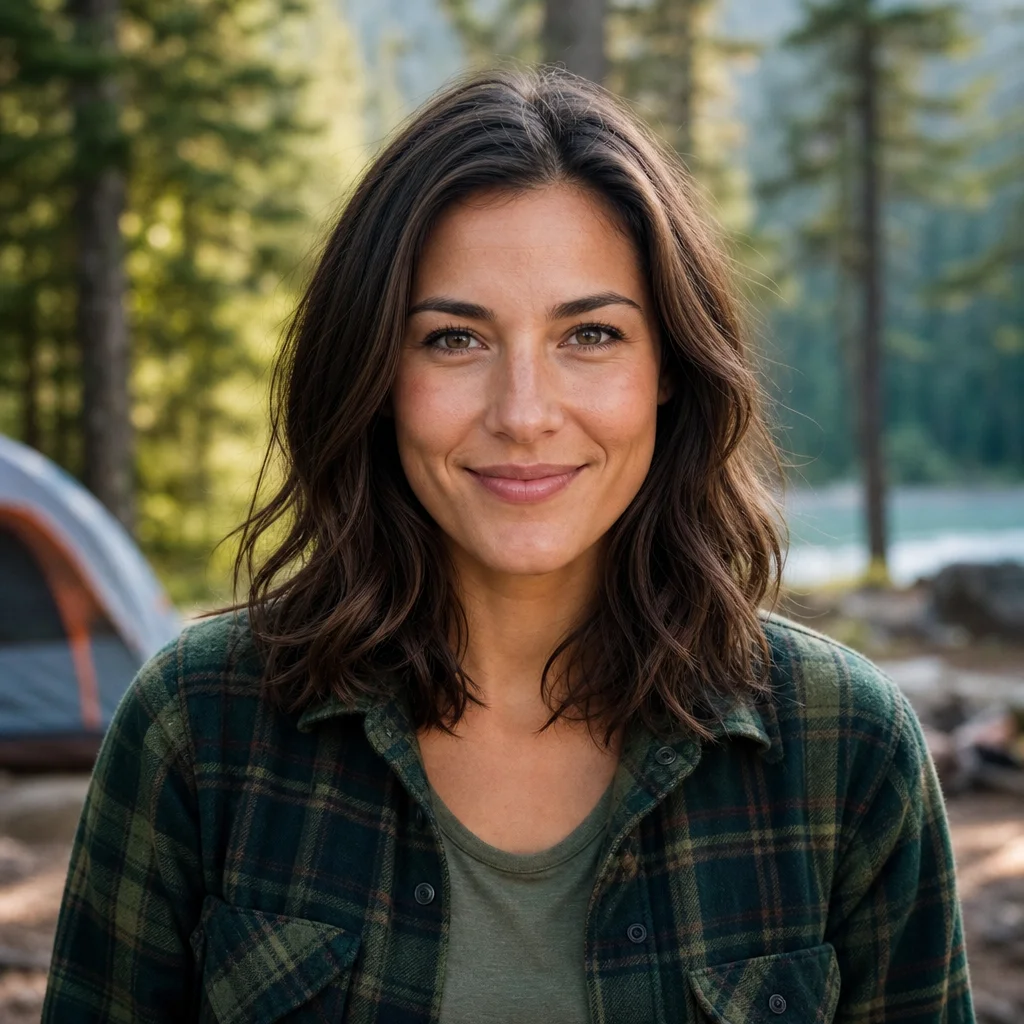
A first multi-night camping trip can feel very different from a one-night trial. For a nervous camping partner, the concern is often not one dramatic problem; it is the prospect of several small discomforts adding up: poor sleep, rain, unfamiliar sounds, bugs, a long walk to the washroom, or feeling stuck when they would rather go home.
The useful goal isn't to convince someone that camping is easy. It is to plan a trip with enough comfort, choice, and flexibility that both of you can relax. A modest, well-planned two-night stay is usually a better introduction than an ambitious wilderness itinerary.
Start with an honest comfort conversation
Talk about the trip while you are both comfortable and unhurried, not while packing the car. Ask specific questions rather than relying on a broad “Are you okay with camping?”
Useful topics include:
- What sounds enjoyable: campfires, swimming, cooking outside, hiking, quiet time, stargazing?
- What feels worrying: animals, darkness, bugs, cold, sleeping, washrooms, driving, or being far from services?
- What are the non-negotiables: a proper toilet, potable water, cell reception, a short drive home, an electric site, or a nearby town?
- What would make the trip feel successful, even if plans change?
- What circumstances would mean it is time to leave?
Listen for practical needs, not just objections. “I don't like camping” may mean “I can't sleep when I am cold,” “I don't want to use a pit toilet,” or “I worry about being unable to leave if the weather turns.” Each of those has a different solution.
Avoid presenting compromises as a test of toughness. Camping is optional recreation, and a trip works better when both people have had a real say in its shape.
Choose a forgiving first destination
For a first multi-night trip, choose a campground that reduces consequences when something is uncomfortable. Front-country campgrounds in provincial, territorial, municipal, and national parks can be good options, as can private campgrounds with reliable facilities.
Look for a destination with several of these features:
- A drive that is manageable for your schedule and energy level
- A reservable, vehicle-accessible campsite
- Washrooms nearby, ideally with flush toilets if that matters to your partner
- Drinking water or a clear plan for bringing enough water
- A staffed office, host, gatehouse, or posted emergency information
- A town, store, pharmacy, or restaurant within a reasonable drive
- Easy activities on site, such as a beach, short trail, interpretive walk, or picnic area
- A campsite with some privacy but not complete isolation
An electrical site can be worthwhile if it supports comfort rather than adding clutter. It may allow a small fan, a heating pad where permitted and appropriate, charging for essential devices, or a simple light. It doesn't eliminate the need for weather-ready sleeping gear and safe food storage, but it can make the first trip less demanding.
A site near the washroom is often helpful, especially for night-time comfort. The tradeoff is more foot traffic, headlights, and occasional noise. If possible, use the campground map and site descriptions to choose a site that is close enough for convenience without being directly beside a busy building or road.
Keep the itinerary deliberately small
Two nights is often a sensible first target. It gives you time to settle in after arrival and still allows a full day at camp, without turning the trip into a long commitment. If that feels like too much, one night remains a useful test run. You are building information for the next trip, not trying to earn a camping credential.
Arrive with plenty of daylight. Setting up a tent for the first time in rain or darkness can make a manageable task feel much bigger. Aim to arrive early enough to:
- Check in and find your site without rushing.
- Put up the tent and sleeping area.
- Learn the route to the washroom, water point, garbage facilities, and campground exit.
- Prepare supper before everyone is tired and hungry.
- Have time to sit down and enjoy the site before nightfall.
Keep the activity list light. One short hike or a swim may be enough for the day. Leave room for slow coffee, reading under the shelter, a drive to a nearby viewpoint, or simply changing plans if the weather is unpleasant.
Build comfort into the sleep system
Poor sleep is one of the fastest ways for a camping trip to lose its appeal. The tent matters, but the sleeping system matters more.
Use a tent large enough for two people and your essential indoor gear. A tent advertised for two people can be quite snug once sleeping pads, bags, and personal items are inside. For a couple, a three-person tent often gives more realistic room to move and dress.
Focus on insulation from the ground. A sleeping bag alone can't compensate for an inadequate sleeping pad. Choose pads with enough cushioning and insulation for the expected overnight temperatures, and bring a repair kit if the pad is inflatable.
Bring sleep layers that are easy to adjust:
- A sleeping bag suited to the conditions you expect
- A warm base layer and dry socks reserved for sleeping
- A toque or warm hat for cool nights
- A small pillow from home, if space allows
- Earplugs and an eye mask for campers sensitive to sound or early light
- A hot-water bottle only if you can fill, seal, and use it safely
Do a backyard or living-room equipment test if possible. Set up the tent, inflate the pads, and try lying down in the sleeping bags. This isn't glamorous research, but it can reveal a leaky pad, a missing tent pole, or a sleep arrangement that won't work.
Make rain and bugs manageable, not heroic
Weather can change quickly in many parts of Canada, and rain doesn't have to end the trip if you have a dry place to sit and cook. A tent is primarily for sleeping; avoid treating it as the main daytime living room.
Bring a properly sized tarp or shelter, along with the equipment and knowledge to set it up safely. Make sure it can shed water and doesn't create a tripping hazard. Keep it well clear of any fire and follow campground rules about where and how shelters may be attached.
Pack rain gear that works while walking around camp: waterproof jacket, rain pants if conditions warrant them, and footwear that can handle wet ground. A change of dry clothes stored in a waterproof bag can improve morale remarkably.
For insects, use a layered approach. Long sleeves and pants, a head net when bugs are intense, and an approved repellent can all help. A screened shelter may be useful if your partner is especially bothered by insects. Don't promise a bug-free campsite; instead, choose a season and location thoughtfully, and ensure there is a comfortable retreat when insects are active.
Plan simple meals and a low-stress kitchen
The first longer trip isn't the time to prove your campfire cooking range. Choose familiar meals with few steps and limited cleanup.
Good options include:
- Pre-made chilli, stew, curry, or pasta sauce heated on a camp stove
- Sandwiches, wraps, and sturdy salads for lunch
- Oatmeal, bagels, fruit, yogurt in a cooler, or eggs for breakfast
- Pre-cut vegetables, grated cheese, and measured seasonings packed at home
- A few enjoyable snacks and a warm drink you both like
Bring a reliable camp stove and enough fuel for your planned meals, even if you hope to have a campfire. Fire bans, wet wood, wind, or campground rules can make fire cooking impractical. Use stoves only in well-ventilated outdoor areas, on a stable surface, and according to the manufacturer’s instructions.
Store food, coolers, dishes, scented toiletries, and garbage as required by the campground. Wildlife practices vary by location, but the general principle is consistent: don't leave attractants unattended at your site or in your tent. A clean camp is safer, simpler, and more pleasant.
Agree on an exit plan before you need one
An exit plan isn't a failure plan. It is a way to reduce pressure by making clear that neither of you is trapped.
Decide in advance what leaving would look like. Perhaps you will pack up if there is sustained heavy rain, if someone can't sleep after the first night, if a health concern develops, or if anxiety stays high rather than easing. You don't need a rigid rule for every situation; you need agreement that either person can raise the issue without an argument.
Practical exit planning includes:
- Keeping the vehicle fuelled and keys easy to find
- Knowing the route to the campground entrance and nearest services
- Keeping essential medications, wallets, phones, and rain gear accessible
- Avoiding a campsite so remote that leaving feels unnecessarily complicated
- Having a backup plan, such as going home early or booking a nearby motel if it is within your budget
If you are bringing a pet, consider its needs too. A pet that is unsettled by other campers, wildlife, heat, or sleeping in a tent can add stress to a first trip. Follow local leash and pet-area rules, and don't leave pets unattended at camp.
Share the work without turning it into a project
Camping feels more collaborative when both people know how the camp works. One person doesn't need to be the permanent expert while the other waits for instructions.
Before leaving, divide tasks according to interest and confidence. One person might manage meals and cooler packing while the other checks the tent and sleeping gear. At camp, set up together, even if one person has more experience. Explain what you are doing as you go, especially around tent setup, stove use, food storage, and the evening routine.
Give your partner choices that matter: where chairs go, what to cook, whether to take a hike, when to turn in, and whether to stay another night. Small control over the experience can make unfamiliar surroundings feel much less intimidating.
It also helps to agree that there is no scorekeeping. If one person is tired, anxious, cold, or done with outdoor activities, adjust the day. The goal is a pleasant shared trip, not an identical enthusiasm for every part of camping.
Handle concerns calmly at camp
When a worry comes up, start with the immediate, solvable question. If your partner hears an animal outside the tent, you may not know exactly what it is, but you can check that food and scented items are properly stored, keep voices calm, use a light if needed, and follow campground guidance. If rain begins, focus on moving chairs and gear under shelter, checking that the tent is sealed, and getting into dry clothing.
Avoid dismissing fears with “It is nothing” or “You will get used to it.” A better response is: “Let’s make this more comfortable. What would help right now?”
At the end of each day, take a few minutes to check in. Ask what worked, what was difficult, and what you should change for tomorrow. This can be as simple as moving a chair, altering breakfast plans, adding another layer at bedtime, or choosing an easier activity.
End the trip with useful notes for next time
On the drive home, or once you are unpacked, make a short list together:
- What made the trip comfortable?
- What gear was unnecessary?
- What was missing or didn't work?
- Was the campground’s level of service a good fit?
- Would a longer stay, a different season, or a slightly more remote site feel appealing next time?
Keep the next trip only one step more ambitious, if you choose to change anything at all. That might mean adding a third night, trying a campground farther from town, or visiting in cooler weather with improved sleep gear. It might also mean returning to the same easy campground because familiarity is part of what makes camping enjoyable.
A successful first multi-night trip doesn't require perfect weather, elaborate meals, or a packed schedule. It requires a destination with room to adapt, gear that protects basic comfort, and a shared understanding that both people can shape the experience.