How to Layer Clothing for Canadian Camping Weather
A practical layering system for Canadian camping that helps you manage sweat, wind, rain, cool mornings, and changing activity levels without overpacking.
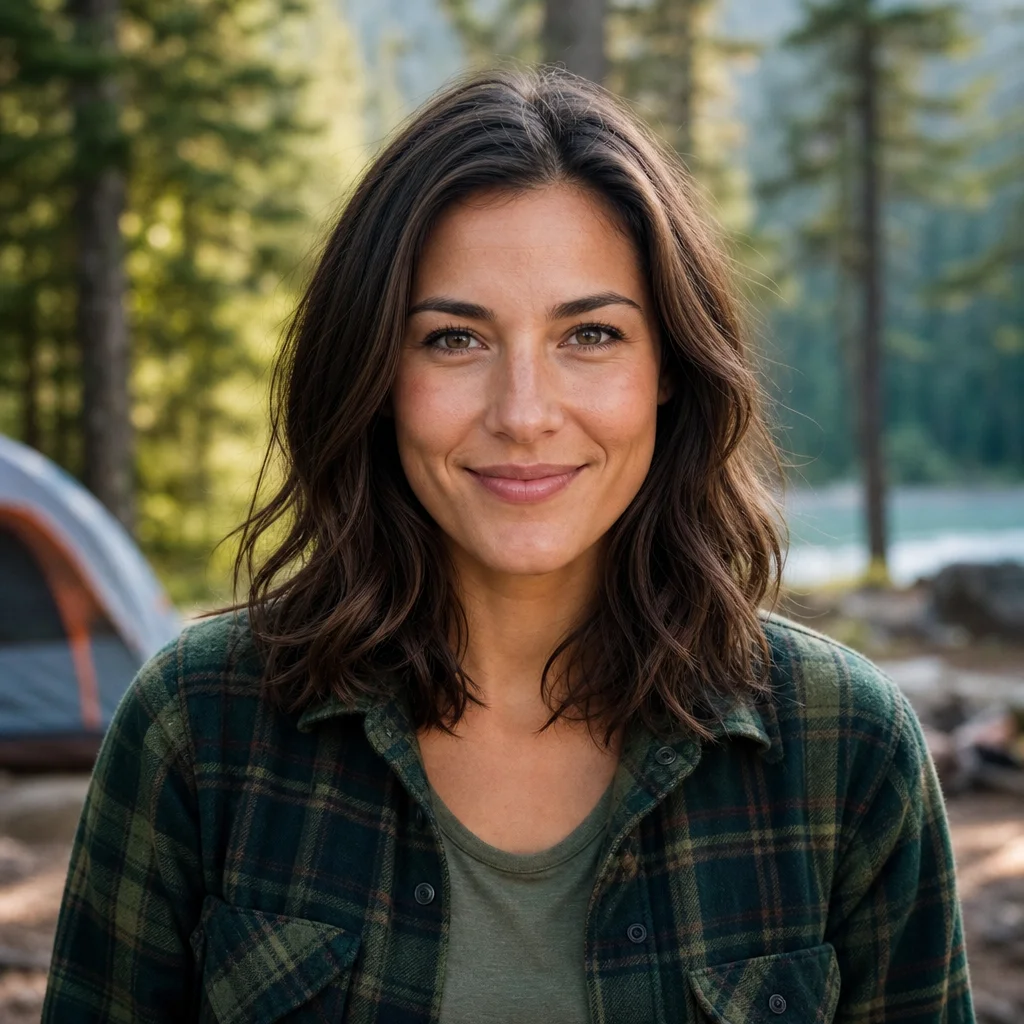
Canadian camping weather often asks more of your clothing than the forecast suggests. A warm afternoon can become a cool, breezy evening; a short hike can leave you sweaty just before you stop moving; and rain can arrive when the temperature is still low enough for damp clothes to feel genuinely uncomfortable.
The useful answer isn't to pack a separate outfit for every possible condition. Build a small layering system that lets you add, remove, dry, and protect pieces as your activity level and the weather change.
Check conditions for your specific campsite
Before you pack, check the current forecast for the campground or trailhead—not just the nearest city—and look at expected overnight lows, wind, precipitation, and any weather alerts. Confirm current fire restrictions and park guidance through the relevant provincial, territorial, municipal, or Parks Canada authority. Conditions, especially shoulder-season temperatures and fire rules, can change quickly.
Think in layers, not outfits
A reliable camping clothing system has three working layers:
- A base layer to move moisture away from your skin.
- An insulating layer to hold warmth when you are less active.
- A shell layer to block wind and rain.
You may also carry a fourth, warmer insulating piece for evenings, cold mornings, or unexpectedly chilly weather. The exact materials matter less than how easily the pieces work together.
The central skill is adjusting early. If you feel warm while hiking, paddling, gathering firewood, or setting up camp, remove a layer before you become sweaty. When you stop, add insulation promptly, ideally before you start shivering. This is sometimes called “layer management,” although it mostly means paying attention before your comfort gets away from you.
Start with a breathable base layer
Your base layer sits next to your skin. Its job is to manage perspiration, not necessarily to provide major warmth.
For most camping trips, good options include:
- Merino wool T-shirts, long-sleeve shirts, underwear, and socks
- Synthetic polyester or nylon tops designed for active use
- Lightweight wool or synthetic long underwear for cooler conditions
Merino wool is popular because it can remain reasonably comfortable when damp and tends to hold less odour over several days. Synthetic fabrics dry quickly and are often less expensive. Either can work well when chosen for the temperature and activity.
Try to avoid cotton as your main active base layer in cool or wet conditions. Cotton can feel pleasant in hot, dry weather, but it absorbs moisture and dries slowly. A damp cotton shirt may become cold once you stop moving or the wind picks up. That doesn't make every cotton item unusable: a cotton camp shirt can be fine during a reliably hot, dry trip, provided you have dry warm layers available for the evening.
Match base-layer weight to the trip
A lightweight T-shirt or sun shirt often suits summer camping, even in regions where nights are cool. Add a lightweight long-sleeve base layer when mornings, evenings, or bugs are a concern.
For spring, fall, high-elevation, northern, or colder-weather trips, long underwear becomes more useful. Choose lightweight or midweight pieces for active travel. Thick thermal layers can be excellent around camp, but may be too warm for hiking unless temperatures are quite low.
Pack at least one dry base layer reserved for sleeping. Changing out of clothing dampened by sweat, rain, or condensation can make a major difference to overnight comfort.
Add insulation that you can regulate easily
The insulation layer traps warm air near your body. This is the layer you will most often add and remove as you move between activity and rest.
Useful camping insulation includes:
- A fleece jacket or pullover
- A lightweight synthetic insulated jacket
- A down or synthetic puffy jacket
- A wool sweater
- Insulated pants, skirt, or vest for colder camp evenings
Fleece is durable, breathable, and still insulates when damp. It is especially practical for cool, wet, or high-output trips where you may wear it while moving.
A puffy jacket provides more warmth for its weight and packs down well. Down insulation is highly efficient when kept dry, while synthetic insulation generally retains more warmth if it gets damp. A puffy is often most useful when you are inactive: cooking dinner, sitting by the lake, watching children at camp, or making an early-morning coffee.
A vest can be a useful middle option when your core needs warmth but your arms overheat easily. It isn't a replacement for a proper warm jacket in cold weather, but it can reduce how much clothing you need on mild trips.
Keep one warm layer dry when possible
Your warmest insulating layer is a poor place to compromise. Store it in a dry bag or waterproof pack liner, especially when canoeing, hiking in rain, or travelling in an open vehicle. Even water-resistant gear can become damp after hours of rain, wet ground contact, or repeated packing and unpacking.
At a drive-in campsite, a plastic storage bin can help protect spare clothing. For backcountry travel, a pack liner plus smaller dry bags makes it easier to keep sleep clothes and insulation separate from wet daytime gear.
Use a shell for wind and rain
A shell layer protects your other clothing from the elements. Wind protection is valuable even when rain isn't expected: a breeze can strip warmth surprisingly quickly once you stop moving.
For most Canadian camping, a shell should include:
- A waterproof or water-resistant jacket with a hood
- Enough room to fit over your insulation
- Adjustable cuffs and hem to reduce drafts
- Ventilation, such as pit zips, if you will hike or paddle actively
A waterproof-breathable rain jacket is the most versatile choice for trips where sustained rain is possible. Its performance depends on construction, fit, maintenance, and the intensity of rain. “Breathable” doesn't mean you will never feel damp inside it; hard exertion, humidity, and poor ventilation can still create condensation.
For short showers or primarily windy conditions, a lighter wind shell may be enough if you also carry dependable rain protection. It is often more breathable and less bulky, but it isn't a substitute for a rain jacket during extended wet weather.
Rain pants are worth bringing when temperatures are cool, rain is likely, brush is wet, or you will be sitting or kneeling on damp ground. On a warm summer car-camping trip, they may stay in the bag. On a wet canoe trip or shoulder-season hike, they can protect both comfort and safety.
Build a simple system for a typical trip
You don't need every possible layer on every outing. Pack according to the forecast, location, planned activity, and your ability to get dry or warm quickly.
Mild summer campground trip
For a typical warm-weather frontcountry camping weekend, consider:
- Two quick-drying or merino shirts
- One long-sleeve sun or bug shirt
- Shorts and lightweight pants
- Fleece or light sweater
- Light insulated jacket for evenings
- Waterproof rain jacket
- One dry sleep shirt and bottoms
- Extra socks and underwear
- Brimmed hat and warm toque
A toque may seem excessive when you leave home in warm weather, but it weighs little and is useful on cool evenings. Campground lakeshores, open fields, and exposed sites can feel colder than the daytime temperature implies.
Cool, wet, or shoulder-season trip
When nights are cold, rain is likely, or you will be outside for long periods, increase the warmth and weather protection:
- Long-sleeve base layers and long underwear
- Fleece mid-layer
- Warmer insulated jacket
- Waterproof shell jacket and rain pants
- Durable pants that fit over base layers
- Warm hat, gloves or mitts, and a neck gaiter
- Several pairs of wool or synthetic socks
- Dry sleep clothing stored separately
This system is also a useful starting point for camping at elevation or in northern areas during summer. Calendar season is less important than actual conditions.
Manage legs, hands, feet, and head
Layering isn't just for your torso. Small items often provide the quickest comfort adjustment.
Legs
Hiking pants, work pants, leggings, or durable joggers can be more useful than jeans for active camping because they dry faster and allow easier movement. Bring a thin base layer for colder trips; it can be worn under pants during the day or as sleepwear at night.
Shorts are useful in warm weather, but pair them with a plan for bugs, sun, cool evenings, and wet vegetation. Lightweight pants can reduce sunscreen use and offer better protection from mosquitoes and ticks in appropriate settings.
Feet
Feet become uncomfortable quickly when socks are wet, compressed, or poorly fitted. Bring more socks than you think you will need for a wet trip, with at least one dry pair protected for sleeping.
Wool or synthetic hiking socks are generally more practical than cotton athletic socks in cool or wet conditions. Make sure footwear has enough room for your socks without squeezing your feet; tight footwear can reduce circulation and make feet feel colder.
Waterproof boots can be helpful in wet grass, mud, and cool rain, but they can also dry slowly if water gets inside. Non-waterproof trail shoes may dry faster in warm conditions. Choose based on the terrain, temperatures, expected wetness, and how far you will travel rather than assuming one type is always best.
Head and hands
A sun hat and a warm hat can both belong on a summer packing list. Add gloves or mitts when evenings may be cool, when rain is expected, or when you will be handling cold gear. Warm hands make camp tasks—cooking, pitching a tent, opening stubborn food packaging—much less frustrating.
Plan for the change from activity to camp life
Many campers dress appropriately for the hike but not for the hour after it. Your body produces substantial heat while carrying gear or setting up camp. Once you sit down, that heat production drops, and damp clothing can start to chill you.
Use this sequence when arriving at camp:
- Put up shelter or create a dry place for clothing first if rain is possible.
- Change out of wet socks or damp base layers when practical.
- Put on your insulating jacket as soon as strenuous work slows down.
- Add a shell if wind or rain is drawing heat away.
- Keep your sleep clothes dry and separate until bedtime.
This approach matters most in cool, rainy conditions, but it is useful on almost any trip. A warm layer within easy reach is more helpful than the same layer buried at the bottom of a pack.
Avoid overpacking with a small clothing rotation
For a weekend, you can often manage with two daytime base tops, one warm mid-layer, one insulated jacket, one shell, and a dedicated sleep set. Add enough socks and underwear to stay dry and comfortable, then tailor pants and shirts to your plans.
For longer trips, wash or rinse items when conditions allow, but don't rely on clothing drying overnight in humid weather. Rotate one set while another airs out. A light cord and a few clips can help at camp, though avoid hanging food-scented or damp clothing where it could interfere with wildlife practices set by the park or campground.
The goal isn't pristine clothing. It is to maintain a dry, warm option for rest and sleep.
Test your system before a bigger trip
Wear your planned layers on a local walk, during yard work, or on a wet-day errand. Check whether your shell fits over your fleece or puffy, whether your hood works with your hat, and whether you can access pockets and adjust vents while wearing a pack.
Then pack your clothing in the same bags or bins you will use for the trip. This reveals quickly whether you have duplicates you don't need, or whether a small item—dry socks, gloves, rain pants, a warm hat—would solve a likely comfort problem.
For your next camping trip, start with one moisture-managing base layer, one adjustable warm layer, and reliable protection from wind and rain. Add a dry sleep set and sensible extras for your feet, head, and hands. With that foundation, you can respond to Canadian weather changes without bringing an entire wardrobe.