LGBTQ2S+ Camping Planning: Finding Comfort, Privacy, and Support on the Road
A practical planning guide for LGBTQ2S+ campers choosing campgrounds, routes, facilities, travel companions, and backup options across Canada.
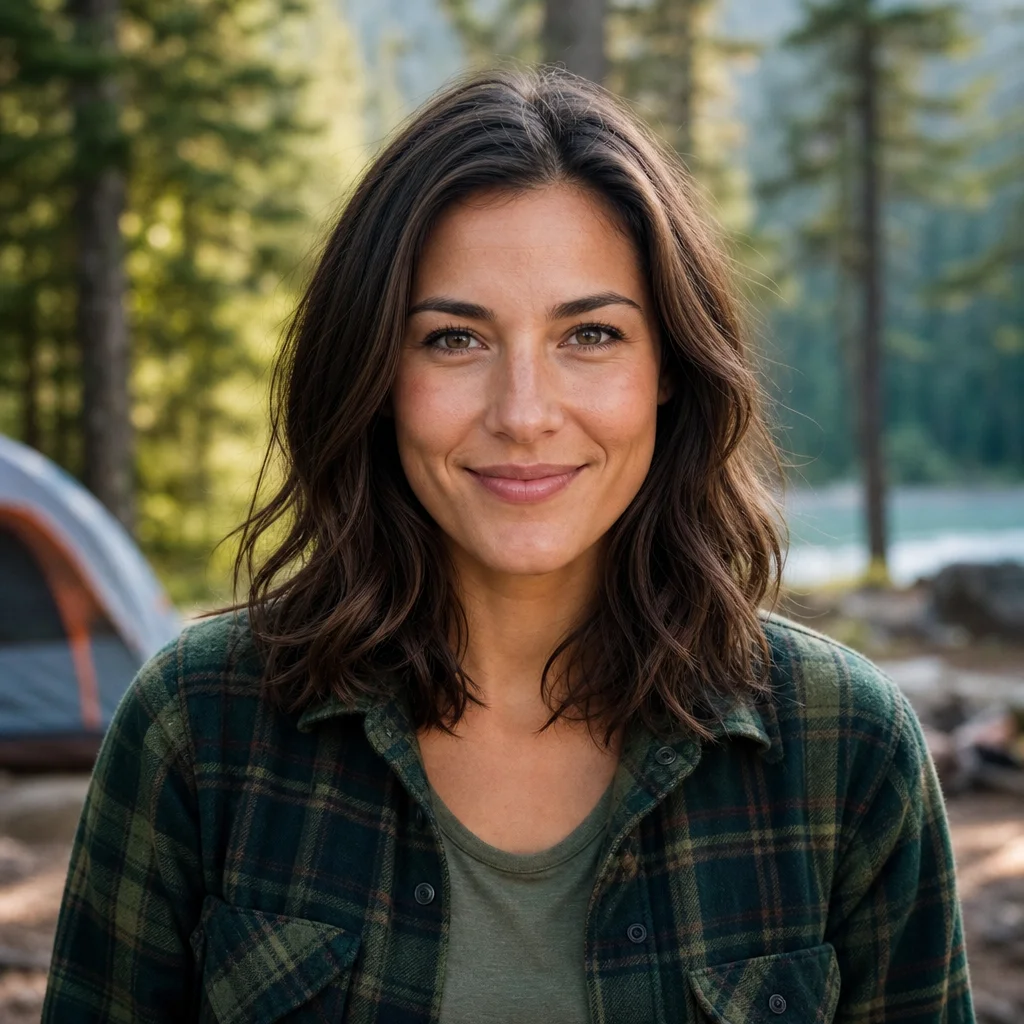
Camping is often a welcome break from having to explain yourself, but a good trip still depends on feeling comfortable where you sleep, wash up, and ask for help. For LGBTQ2S+ campers, that can mean looking beyond a campground’s photos and site map to consider privacy, staff culture, nearby services, travel companions, and options if the plan stops feeling right.
There is no single “safe” or “inclusive” campground category that applies everywhere. A large provincial park may offer well-maintained facilities but little privacy at a busy comfort station. A small private campground may feel friendly and personal, or it may have limited staffing and few alternatives nearby. The useful goal isn't to predict every interaction; it is to build a trip that gives you choices.
Start with your own comfort priorities
Before comparing campgrounds, identify what would make the trip work well for you and your group. People’s needs differ, including within LGBTQ2S+ communities.
Consider questions such as:
- Do you prefer a developed campground with staff, lighting, and other campers nearby, or a quieter site with more separation?
- Are private or single-user washrooms important to you?
- Will you be travelling as a couple, with friends, with children, or alone?
- Would you feel better at a campground near a town, or is a more remote trip part of the appeal?
- Do you want a social camping atmosphere, or would a site with more physical privacy be more restful?
- Are there aspects of your identity, gender expression, accessibility needs, or family structure that affect what facilities and surroundings feel comfortable?
Write down the few factors that are non-negotiable. For example, you may decide that a reservable site near a modern washroom building and a town with accommodation is worth giving up some solitude. Another camper may prioritize a walk-in site that is naturally screened from neighbours. Naming the trade-off early makes booking easier.
Read the campground layout, not just the description
Campground descriptions commonly list amenities, but maps and recent visitor information often reveal whether those amenities suit your needs.
Look for the distance from your site to washrooms, water taps, parking, the host or gatehouse, and other occupied sites. A site near the entrance can make late arrival and quick departure simpler, while a site farther in may offer less traffic and more quiet. Neither is automatically better.
When privacy matters, look for:
- Sites separated by trees, shrubs, elevation, or empty space rather than only a painted boundary.
- A site orientation that doesn't put your tent door or picnic area directly facing a neighbour’s gathering area.
- Whether sites are back-in, pull-through, walk-in, or tent-only; each arrangement changes how exposed the site can feel.
- The type and location of washrooms, showers, change rooms, and beach facilities.
- Whether the campground has a mix of seasonal, overnight, group, and day-use areas. These can have very different noise levels and social dynamics.
Photos help, but they are selective and may be old. Recent reviews can be useful for practical details such as lighting, cleanliness, noise, and site spacing. Treat individual reviews as one person’s account rather than a complete picture, particularly when they make broad claims about a place or community.
Ask clear, routine questions before you book
You don't need to disclose personal information to ask a campground how its facilities work. A short call or email can answer questions that booking pages leave vague.
Useful questions include:
- Are washrooms and showers individual, shared, or divided into multi-stall rooms?
- Are there private changing spaces near the beach, pool, or shower building?
- Is there an on-site host, gate attendant, or after-hours contact?
- Which sites are quietest or have the most natural screening?
- Can the campground note a preference for a site away from group areas, where possible?
- What is the process if you need to change sites after arrival?
- Are quiet hours and visitor rules actively managed?
The response can tell you something beyond the literal answer. Clear, respectful information and a willingness to explain options are encouraging signs. A vague response doesn't prove a campground will be unwelcoming—staff may simply not know every detail—but it may be a reason to choose a location where you have more certainty.
If you are travelling with a partner or family, use the names and terms that feel right to you. You are entitled to make an ordinary booking. At the same time, sharing only the information needed to arrange your stay can be a sensible privacy choice, especially when communicating through public booking channels.
Check the facilities and local conditions for your exact stop
Before reserving or leaving home, confirm the campground’s current washroom and shower arrangements, check-in process, after-hours contact, site-change policy, fire restrictions, road access, and any seasonal closures through the operator’s official website or direct contact. If you will rely on nearby services, check current hours for fuel, groceries, accommodation, and urgent care as well. Conditions and policies can change during the season.
Choose travel companions and routines that support you
A trusted camping companion can make a substantial difference, not because you need to expect trouble, but because shared planning reduces pressure. Decide together how you will handle ordinary trip tasks: check-in, setting up camp, using shared facilities, meeting neighbours, and leaving early if needed.
It can help to agree on simple signals and practical boundaries. For instance, decide whether either person can say, “Let’s take a drive,” without needing to debate it at the campsite. Keep vehicle keys, phones, and essential medications accessible rather than buried under gear. If you are in a group, make sure everyone knows which concerns need immediate support and which are simply preferences.
Solo campers can create similar support by sharing a basic itinerary with someone trustworthy: where you expect to camp, when you plan to check in, your next stop, and when you expect to reconnect. Avoid sharing real-time location or campsite details publicly if that would compromise your privacy.
This is ordinary trip planning, not a requirement to make camping feel acceptable. It simply gives you more control when you are away from familiar places.
Build a route with options, especially on longer drives
The route between campgrounds deserves as much attention as the campground itself. Long distances, limited cell coverage, weather, road construction, and seasonal business hours can all narrow your choices. For LGBTQ2S+ travellers, having alternatives can also reduce the feeling of being stuck in a place that isn't working for you.
Plan for more than one overnight possibility when practical. Keep the details for a nearby motel, cabin, or second campground along your route, especially if you are arriving late, travelling through remote areas, or camping during a busy holiday period. Confirm cancellation rules before booking flexible backup accommodation; flexibility sometimes costs more, but can be worthwhile on a trip where comfort and certainty matter.
Download offline maps and save key information outside an app: campground confirmation numbers, gate codes if provided, addresses, emergency contacts, and the phone number for the campground operator. In remote areas, a printed road map can still be useful when a phone has no signal or battery.
For a road trip, plan regular fuel, food, and washroom stops rather than waiting until they are urgent. This is particularly helpful if you prefer facilities with more privacy or want to avoid relying on a single small stop late at night.
Think through privacy at camp without disappearing from the experience
Privacy can come from site selection, gear, routines, and communication. It doesn't have to mean making your campsite feel closed off or avoiding everyone.
A shelter, tarp, or tent vestibule can create a useful changing area when set up safely and within campground rules. Position camp chairs and the tent entrance toward the most screened part of the site when possible. Use a headlamp for nighttime trips to the washroom, and keep rain gear and footwear ready so you aren't searching through your tent after dark.
Be mindful that some facilities, particularly beaches, showers, and change rooms, may feel more exposing than the campsite. A quick daytime walk to locate entrances, lighting, accessible routes, and quieter times of day can make these spaces easier to use later.
If someone is intrusive, disrespectful, or makes you feel unsafe, you don't need to resolve the situation alone. Create distance if you can, document relevant details only if it is safe to do so, and contact the campground host, park staff, or operator. If there is an immediate threat or emergency, call 911 where service is available or use the local emergency process identified by the campground.
Look for support without relying on marketing alone
Some operators publish inclusion statements, staff policies, Pride-related information, or details about accessible and all-gender facilities. These can be useful signals, particularly when they are specific about how the campground operates. They aren't a guarantee of every guest’s behaviour, just as the absence of an inclusion statement doesn't automatically make a campground unwelcoming.
Community recommendations can be especially helpful. Ask LGBTQ2S+ friends, local outdoor groups, or regional camping communities about the practical parts of a destination: the atmosphere, the site layouts, the staff response to problems, and the availability of nearby alternatives. Seek recent recommendations, since ownership, staff, and facilities can change.
For Two-Spirit campers, it may also be important to consider the specific Nations and communities whose territories you are visiting. Two-Spirit isn't a generic substitute for LGBTQ+ and carries distinct cultural meanings. Learn the campground’s rules, respect local protocols, and avoid assuming that a broad label describes every Indigenous community’s practices or perspectives.
Make a low-stress arrival plan
Arriving before dark is one of the simplest ways to make any new campground easier to assess. You can find your site, see the routes to facilities, introduce yourself to staff if needed, and decide whether the location matches what you expected.
At check-in, ask for a current map and confirm practical details: quiet hours, the after-hours contact method, the nearest washroom, bear- or wildlife-management requirements, and what to do if your site or facilities aren't suitable. Keep the conversation focused on what you need for your stay.
Once set up, take five minutes to identify the easiest route to your vehicle and the nearest staffed or populated area. This isn't about treating other campers as a threat. It is a straightforward way to orient yourself, particularly at an unfamiliar campground.
Take the next practical step
Choose two or three campgrounds that meet your basic route and budget needs. Compare their site maps, facilities, contact options, and nearby backup accommodation. Then contact the operators with the specific questions that matter most to you.
A well-planned LGBTQ2S+ camping trip doesn't require finding a perfect campground. It means choosing a place with enough comfort, privacy, information, and exit options that you can spend more attention on the lake, trail, campfire, or quiet morning coffee—and less on managing uncertainty.