Mosquito Planning for Northern and Boreal Camping
Practical mosquito planning for northern and boreal camping, including clothing, shelter, daily timing, camp tasks, sleeping protection, and current local checks.
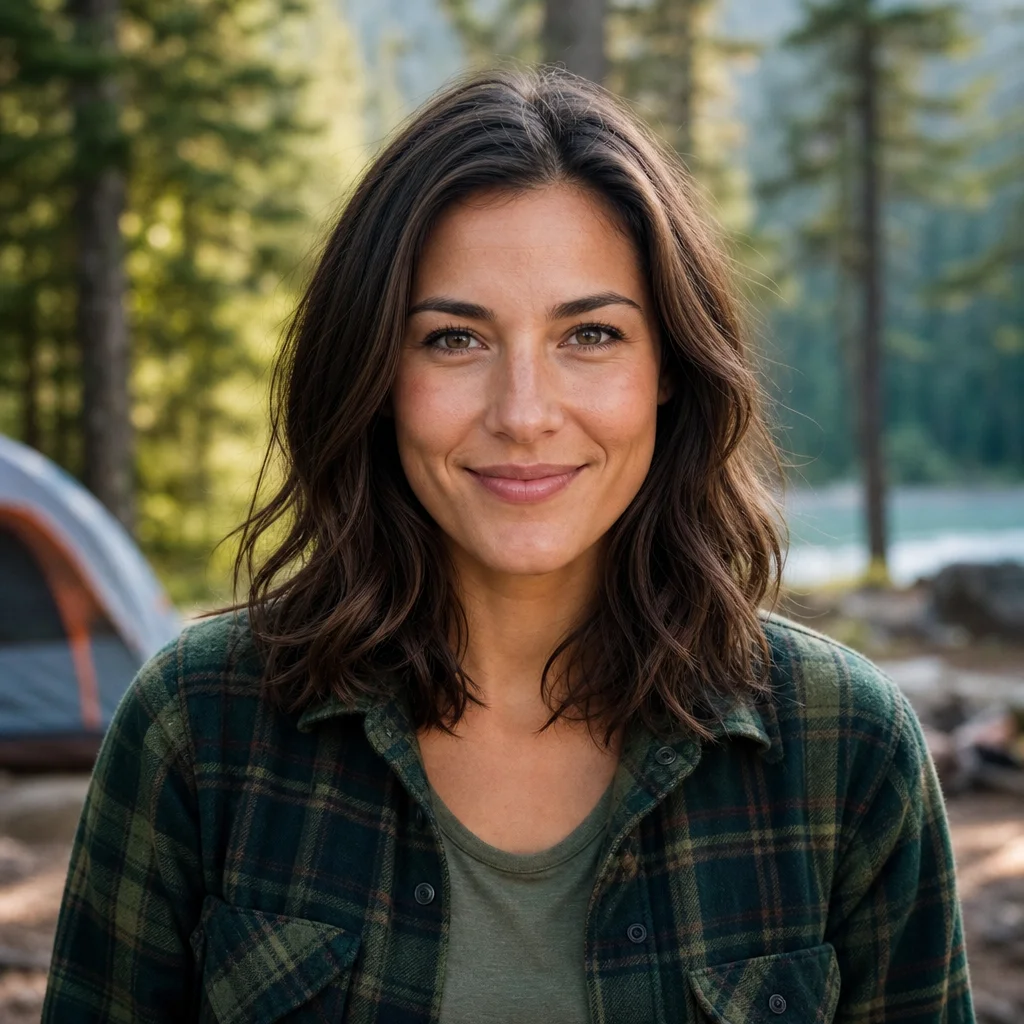
Mosquitoes can turn an otherwise straightforward northern or boreal camping trip into a daily logistics exercise. The useful goal isn't to make camp insect-free—often unrealistic in wet, wooded country—but to reduce bites, protect sleep, and arrange the day so that everyone can eat, cook, pack, and relax without constant swatting.
A good plan combines barriers, timing, campsite selection, and a sensible repellent routine. One measure alone rarely does the whole job, particularly during a strong hatch or around still water.
Confirm insect conditions for your route
Before choosing dates and packing, check current information from the park, campground, provincial or territorial land manager, and local weather service. Ask about mosquito and biting-fly intensity, recent rain or flooding, seasonal conditions, campsite closures, and any applicable fire restrictions. Conditions can vary sharply between nearby lakes, elevations, and open versus forested sites.
Start with realistic expectations and flexible timing
Mosquito pressure is often greatest when warmth, standing water, and low wind overlap. In much of boreal Canada, this commonly means late spring through summer, but the timing and intensity vary with snowmelt, rainfall, temperature, and location. A dry, breezy site can be manageable while a sheltered site only a few kilometres away isn't.
Mosquitoes are often most active in the calmer parts of the day, especially around dawn and dusk. That doesn't mean midday is always bite-free: shaded forest, humid weather, and windless conditions can keep them active for hours. Treat the day’s schedule as adjustable rather than relying on a fixed “bad hour.”
When planning activities, reserve insect-heavy tasks for the time of day that gives you the best conditions:
- Set up tents, tarps, and kitchen shelters promptly after arrival rather than leaving them until evening.
- Hike, paddle, or do camp chores during breezier periods when practical.
- Cook an earlier supper if dusk reliably brings a surge in mosquitoes.
- Keep a simple indoor or screened-shelter activity ready for calm, wet evenings.
- Build extra time into portages, packing, and bathroom breaks; working while covered up is slower and warmer.
This is less about surrendering the trip to insects than about avoiding the most frustrating tasks at the worst time.
Make clothing your first line of defence
Physical barriers are dependable because they keep working even when you are sweating, swimming, or delaying repellent reapplication. Loose, tightly woven clothing also tends to be more comfortable than repeatedly applying product to large areas of skin.
Pack a long-sleeved shirt, long pants, and socks that can be worn in warm weather. Light-coloured garments can make insects easier to spot and may be less attractive than dark clothing, although fit and fabric matter more than colour. Avoid very thin or tight material where mosquitoes can bite through or reach skin at cuffs and waistbands.
Useful details include:
- A hooded shirt or button-up layer: It lets you cover arms and neck quickly when conditions change.
- Loose pants: Tuck hems into socks or footwear when walking through brush or standing around camp at dusk.
- A brimmed hat: A wide brim keeps a head net away from your face.
- A head net: This is one of the highest-value items for fishing, cooking, portaging, and setting up a tent in a heavy hatch. Choose mesh fine enough for the local biting insects and long enough to seal over your collar or shoulders.
- Light gloves: Thin work or liner gloves can make cooking, gathering wood where permitted, or handling tent poles much easier when your hands are being targeted.
Bring one clean, dry set of sleep clothing and keep it inside the tent or sleeping bag system. Clothing that is damp with sweat, rain, or repellent is less pleasant to sleep in and can complicate bedtime routines.
Use repellent carefully and deliberately
Repellent is most useful on the skin and small gaps clothing doesn't cover: hands, ankles, neck, ears, and face edges. It works best as part of a system, not as permission to camp in shorts and a T-shirt through a peak hatch.
Choose a product authorized for use in Canada and follow its label exactly. Active ingredients, age guidance, application limits, permitted uses, and precautions can change, so the container label and current Health Canada information should guide your decision. Products intended for clothing or gear aren't automatically suitable for skin.
Apply repellent outside or in good ventilation, away from food preparation surfaces. Apply it to your own hands first before carefully treating the face, rather than spraying directly toward your face. Wash hands before handling meals, cookware, contact lenses, or children’s items. Reapply only as directed, particularly after swimming, heavy sweating, or washing.
If you use sunscreen, follow the instructions for both products and avoid assuming one application will last all day. People with sensitive skin, young children, pregnancy considerations, or medical concerns may benefit from asking a pharmacist or health professional about suitable options.
Avoid relying on candles, coils, scented bracelets, or electronic gadgets as your main protection. Some may offer limited, situational relief, but wind, shelter design, and insect density can greatly affect performance. An open flame or smouldering product can also introduce fire, smoke, or air-quality concerns. Clothing, netting, and an appropriate registered repellent are usually the more predictable foundations.
Choose a campsite with air movement, not just a nice view
When you have a choice, look for a site with steady natural airflow. A modest breeze can make a significant difference because mosquitoes are weak fliers. Exposed points, open shorelines, and higher ground may be more comfortable than low, enclosed sites near marshes, puddles, dense alder, or stagnant water.
There are tradeoffs. A very exposed site may be unpleasant in cold weather or unsafe in strong winds. It can also make cooking, tarp setup, and boat landings more difficult. Choose the safest legal site available, then use the breeziest usable part of it for daytime sitting and cooking.
In established campgrounds, you may have little control over the exact site. In that case, place chairs and the kitchen where air moves through the site, rather than in the stillest corner. Keep tent doors away from prevailing wind-driven rain where possible, but don't sacrifice ventilation solely to avoid insects.
Don't assume smoke is an insect-management plan. Where fires are permitted, smoke may temporarily discourage some insects, but it is inconsistent and can leave everyone squinting, coughing, and smelling like the fire pit. Keep fires within local rules and use them for warmth, cooking, or atmosphere—not as your primary mosquito strategy.
Create a protected place to eat and wait out the worst periods
A screened shelter can change the rhythm of a buggy trip. It gives you a place to prepare food, play cards, tend to children, and sit through a calm evening without needing full clothing coverage all the time.
For car camping, a freestanding screen tent is often the simplest option. In backcountry settings, weight and setup time matter more. A lightweight mesh shelter, a tarp combined with netting, or a tent vestibule may be more realistic. Whatever you choose, test it at home and bring enough stakes, guylines, and repair material for the ground you expect.
Keep the shelter functional:
- Zip doors promptly and designate one entrance if the group is large.
- Don't leave food, dishes, or garbage accumulating inside; the screen keeps mosquitoes out but doesn't replace food-storage practices.
- Use a groundsheet only if it suits the shelter and site drainage; standing water around the edges is counterproductive.
- Maintain airflow in warm weather. A screened shelter can become hot when it is fully enclosed and still.
A small battery-powered fan can improve comfort in a sheltered tent or screen house when conditions allow. It isn't essential backcountry equipment, but moving air close to your body may make a calm evening more tolerable. Protect electronics from rain and plan power use conservatively.
Protect sleep by managing tent entry
Your tent should be the dependable reset point at the end of the day. The main challenge is often not the tent fabric; it is the few seconds when people enter with a cloud of mosquitoes behind them.
Choose a tent with intact mesh, smooth-operating zippers, and a vestibule if possible. Repair tears before the trip with appropriate mesh patches or repair tape. A vestibule gives you a transition area for muddy boots, wet rain gear, and the quick “zip behind you” routine that keeps the sleeping compartment calmer.
At bedtime, turn on a headlamp outside the tent or in the vestibule rather than shining a bright light through an open mesh door. Keep the inner door closed whenever possible. If mosquitoes get in, stay calm: close the tent, use a head net if needed, and remove them before settling down rather than spending the night listening for the one you missed.
Don't apply aerosol repellent inside a closed tent, and avoid treating bedding or sleeping gear with a product unless its label specifically permits that use. Fresh air, intact mesh, and careful entry are the safer basics.
Divide camp tasks so nobody is exposed for too long
Insect pressure becomes more tiring when one person is standing still cooking while everyone else is protected or occupied. A short, coordinated routine can reduce that burden.
On arrival, assign a sequence: one person sets up the tent, another establishes the shelter or tarp, and another organizes water and food. In a group, rotate the jobs that require stationary work, such as tending a stove, washing dishes, or helping children with gear. Keep frequently used items—head nets, repellent, rain layers, stove, water treatment, and first-aid supplies—easy to reach rather than buried in packs.
For solo campers, simplify. Choose meals with short preparation times, organize gear in labelled bags, and set up protection before starting dinner. A complicated meal can be satisfying, but a one-pot dinner is often the better choice when the evening hatch is strong.
Plan for bites and watch for illness
Even careful campers get bitten. Clean itchy areas gently and avoid scratching until skin breaks. Cool compresses and appropriate over-the-counter itch relief may help; ask a pharmacist if you are uncertain what is suitable for you or your family.
Seek medical advice promptly for signs of a significant allergic reaction, including difficulty breathing, facial or throat swelling, widespread hives, faintness, or rapidly worsening symptoms. Also seek guidance for bites that become increasingly painful, hot, swollen, or infected.
Mosquitoes can carry illnesses in some parts of Canada, and risk depends on region and season. General prevention is worthwhile, but current public-health information is the right source for local disease alerts and recommended precautions. If you feel unwell after travel or outdoor exposure—particularly with fever, severe headache, unusual rash, or flu-like symptoms—tell a health professional where and when you travelled.
Pack a mosquito kit, then make it easy to use
Put your insect tools together in one accessible pouch so they are ready at the trailhead, boat launch, or campsite:
- Head net and brimmed hat
- Long sleeves, pants, socks, and light gloves
- Authorized insect repellent in secure packaging
- Screen shelter or lightweight mesh option suited to your trip
- Tent mesh repair supplies and spare zipper lubricant if appropriate
- After-bite comfort supplies and basic first aid
- A small battery fan for vehicle-supported trips, if useful
The practical next step is to match that kit to your route. Check the current local insect outlook, then choose your shelter, meals, clothing layers, and arrival time accordingly. In boreal country, a little mosquito planning doesn't guarantee a bite-free trip—but it can keep insects from dictating every hour of it.