Camping in the Canadian Rockies Without Underestimating Elevation
A practical guide to planning Rockies camping trips around elevation, colder nights, abrupt weather shifts, harder approaches, and route decisions in Alberta and British Columbia.
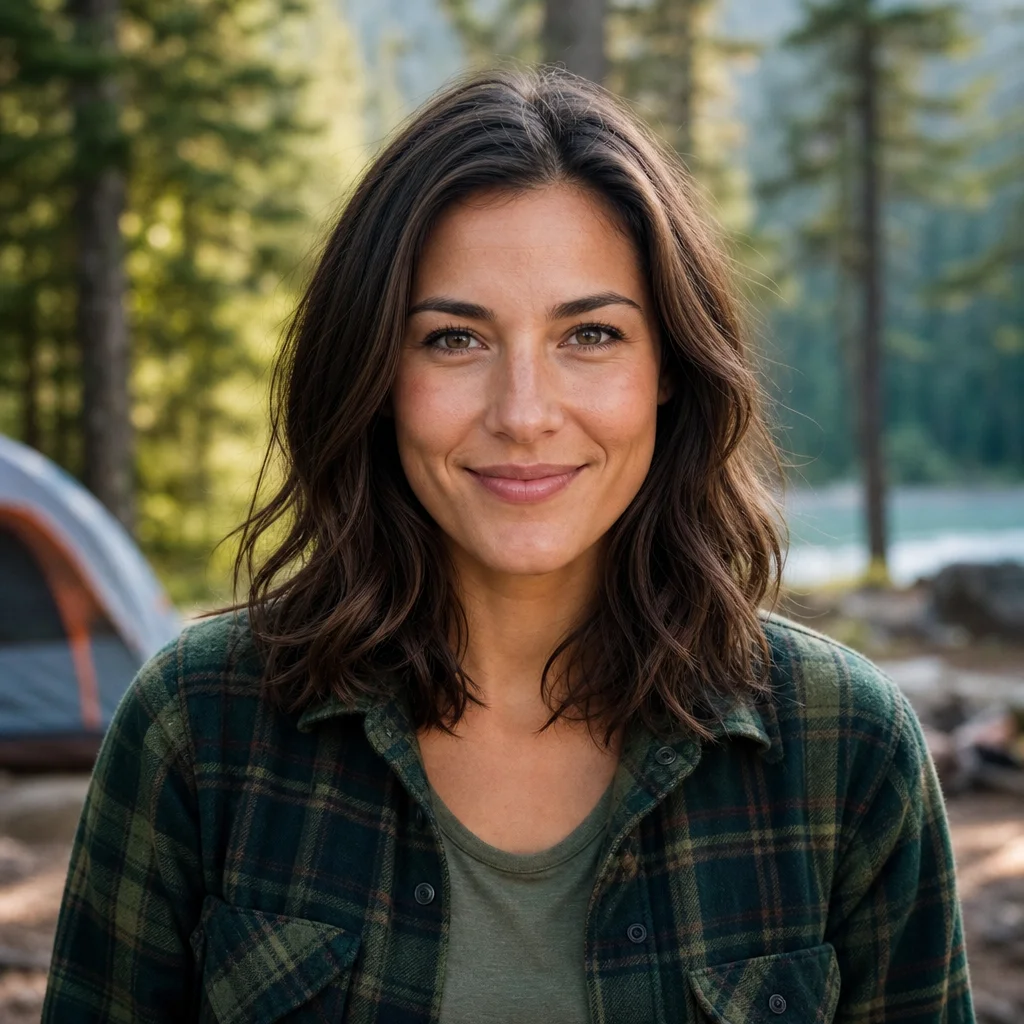
Camping in the Canadian Rockies can make a familiar trip feel more demanding than the map suggests. A campground may be easy to reach, but sit high enough for a cold night and a sharp weather change. A backcountry site may involve only a modest distance, yet require a sustained climb while you carry food, shelter, and water.
Elevation isn't a reason to avoid the Rockies. It is a reason to build more margin into your plan: more warm clothing, more time for the approach, more conservative route choices, and a clearer turnaround point.
Before you commit to a Rockies campsite
Check the current official park or land-manager information for your exact area. Confirm campground or backcountry-site status, reservation and permit requirements, trail closures, route conditions, weather warnings, fire restrictions, food-storage rules, wildlife advisories, and any seasonal access limits. In mountain areas, a route that is practical one week can be unsuitable the next because of snow, flooding, washouts, smoke, or a closure.
Elevation changes the conditions around you
In the Canadian Rockies, elevation commonly affects comfort and decision-making more than it causes serious altitude illness. Many accessible campgrounds and trailheads are already well above sea level, while backcountry routes can climb substantially from there. The exact height matters less than the combination of elevation, rapid ascent, fitness, weather, and the weight on your back.
As you gain elevation, expect several practical changes:
- Cooler temperatures, especially overnight and before sunrise.
- More wind exposure on ridges, lakeshores, open valleys, and above treeline.
- Faster weather shifts, including rain, hail, snow, or thunderstorms in seasons when the forecast looked benign.
- Harder physical effort, particularly on steep trails and when carrying a loaded pack.
- Lingering snow and muddy trails at higher elevations well after valley campgrounds have dried out.
- Greater ultraviolet exposure, because sun can be intense in clear mountain air and reflect from snow, water, and pale rock.
The useful mindset is to plan for the conditions at your highest point and coldest expected camp, not only the forecast at the nearest town.
Treat the approach as part of the camping trip
For frontcountry camping, the drive can be the demanding part: long distances, mountain roads, changing visibility, wildlife on the road, and limited services outside major communities. Arriving late with a tent still to pitch in rain or wind is an avoidable way to begin a trip.
Aim to reach camp with enough daylight to set up deliberately, find water if needed, prepare food, and organize warm layers before the temperature drops. If you are travelling from lower elevations, the first day can also feel more tiring than expected. Keep the arrival day simple rather than planning a major hike immediately.
For backcountry trips, distance alone is a poor measure of difficulty. Look at:
- total elevation gain and loss, including climbs on the return journey;
- trail surface, creek crossings, loose rock, mud, snow, and exposed sections;
- pack weight, especially bear-resistant food-storage equipment and extra insulation;
- the time needed to reach camp before afternoon weather develops;
- whether an alternative exit or shorter destination exists.
A six-kilometre approach with steady climbing can take longer and cost more energy than a much longer walk on flat ground. Use the route description, elevation profile, and recent official condition reports to make a realistic time estimate. Add time for rests, photos, route-finding, and slower travel on wet or snowy ground.
Keep your first day conservative
If possible, choose a first-night campsite with a straightforward approach. A shorter trip lets you see how your group handles the altitude, terrain, pack weight, and weather. It also leaves room to change plans if the trail is slower than expected.
This is especially helpful when camping with children, first-time backpackers, visitors accustomed to lower elevations, or anyone returning to activity after time away. There is no prize for reaching camp depleted.
Pack for cold nights, not warm afternoons
A sunny mountain afternoon can create false confidence. Temperatures often fall quickly after sunset, and wind or damp clothing can make a merely cool night feel much colder. A sleeping system that is acceptable in a low-elevation summer campground may be inadequate at a higher site.
Start with a sleep system suited to the expected overnight low, then allow a buffer for wind, cloud, dampness, and forecast uncertainty. Your sleeping pad matters as much as your sleeping bag: it insulates you from the ground, which can draw heat away quickly.
Bring layers that still work when conditions deteriorate:
- a moisture-wicking base layer;
- an insulating mid-layer such as fleece or wool;
- a warm jacket, often synthetic or down depending on expected wetness and your ability to keep it dry;
- a waterproof, windproof shell;
- warm socks, a toque, and gloves or mitts;
- dry sleep clothes stored in a waterproof bag.
Avoid relying on cotton for active layers in cool, wet conditions. It can retain moisture and become chilly once you stop moving. After reaching camp, change out of sweaty clothing before you cool down, eat and drink, and put on insulation early rather than waiting until you are shivering.
A three-season tent is often appropriate for maintained summer camping, but it must be pitched well and secured for wind. Choose a sheltered site where permitted, use all necessary stakes and guylines, and keep the tent fly properly tensioned. Don't camp under dead branches, in a drainage channel, or beside a creek that could rise during heavy rain.
Make weather decisions early
Mountain weather is variable by nature. A general regional forecast is useful, but it may not reflect the conditions at a particular pass, lake, ridge, or high campground. Check the forecast for the closest relevant elevation and watch the sky throughout the day.
Thunderstorms deserve particular caution. If you are hiking to or from a high camp, exposed terrain can become hazardous quickly when lightning is possible. Plan to be below exposed ridges, summits, and open alpine areas before storms are likely. If thunder begins, move away from high points, isolated trees, open water, and metal equipment where you can do so safely, and follow established lightning-safety guidance.
Rain can also change a route dramatically. Steep dirt trails become slippery, small streams can rise, and visibility can shrink in cloud or smoke. In these situations, slowing down, turning around, or staying an extra night where permitted can be the sensible choice.
Carry navigation that doesn't depend entirely on mobile service. Download offline maps in advance, bring a paper map and compass where appropriate, and know how to use them. A charged phone and battery bank are useful, but cold temperatures and remote terrain can reduce their usefulness at the wrong moment.
Recognize when elevation is affecting you
At typical Canadian Rockies camping elevations, breathlessness during exertion is common, especially if you arrive from near sea level or climb quickly with a pack. Slow your pace, take short breaks, drink regularly, eat enough, and avoid trying to “push through” a rough first day.
Headache, unusual fatigue, dizziness, nausea, poor sleep, or reduced appetite can have several causes, including dehydration, overexertion, heat exposure, illness, or altitude. Treat symptoms seriously rather than assuming they will disappear once camp is reached.
If symptoms are worsening, severe, or paired with confusion, poor coordination, chest symptoms, or shortness of breath while resting, stop ascending and seek urgent medical help. Descent is often an important response to significant altitude-related symptoms, but the safest action depends on your location, weather, and the person’s condition. Carry an emergency communication device when travelling beyond reliable service, and ensure your group knows how it will be used.
Alcohol can worsen dehydration, impair judgement, and make it harder to stay warm. Save celebratory drinks for conditions where everyone is fed, dry, warm, and finished with any demanding travel for the day.
Choose campsites and routes that match the group
The Rockies offer everything from drive-in sites with services to remote wilderness camps reached by multi-day routes. A more remote or higher destination isn't automatically a better trip. The best choice is the one that fits your group’s experience, equipment, time, and tolerance for changing conditions.
For a frontcountry trip, consider a campground that gives you access to short walks and day hikes rather than requiring a major objective every day. This approach works well when weather is uncertain: you can adjust your activity without needing to relocate camp.
For a backcountry trip, choose a route with practical margins. Favour established campsites, clear reservation or permit arrangements, manageable daily elevation gain, dependable water information, and an option to shorten the itinerary if conditions worsen. Be cautious about routes described casually as “easy” without checking the elevation profile and current conditions; descriptions can reflect the writer’s fitness, season, and expectations.
If your group has mixed abilities, set the plan around the least experienced or least comfortable member. Agree in advance that turning around is a normal outcome, not a failure. That one decision prevents many avoidable problems.
Keep food, water, and warmth organized at camp
At elevation, camp chores can take more energy than expected. Arrive with a simple sequence: shelter first if weather is moving in, then dry layers, water, food, and a secure place for scented items. Don't leave cooking, dishwashing, or food storage until darkness if you can avoid it.
Use the food-storage method required for the area. Requirements vary between parks and campgrounds and may include lockers, bear hangs, canisters, or keeping food in a vehicle where allowed. Keep food, garbage, toiletries, and other scented items managed according to local rules. Wildlife safety isn't only about bears; it also means avoiding habituation of smaller animals and keeping a clean camp.
Water sources in mountain areas can look pristine while still carrying pathogens. Use the treatment method appropriate to your trip and carry enough capacity to avoid depending on an uncertain source. If water availability is seasonal or route-specific, verify it through current local information rather than assuming a marked creek will be flowing.
Leave room for a safer, better trip
A good Rockies camping plan has slack in it. Start earlier than you think you need to, bring insulation you may not use, reserve energy for camp setup, and be willing to select a lower, shorter, or more sheltered option.
For your next trip, map the elevation profile from trailhead to campsite, check the expected overnight low at the relevant elevation, and write down a turnaround time or alternate camp before departure. Those small planning steps make it easier to enjoy the mountain scenery without letting elevation quietly dictate the day.