Camping Beside a Lake in British Columbia’s Interior: Managing Heat and Cold Nights
Plan shelter, shade, water, clothing, and sleep comfort for British Columbia Interior lake trips where hot days can be followed by unexpectedly cool nights.
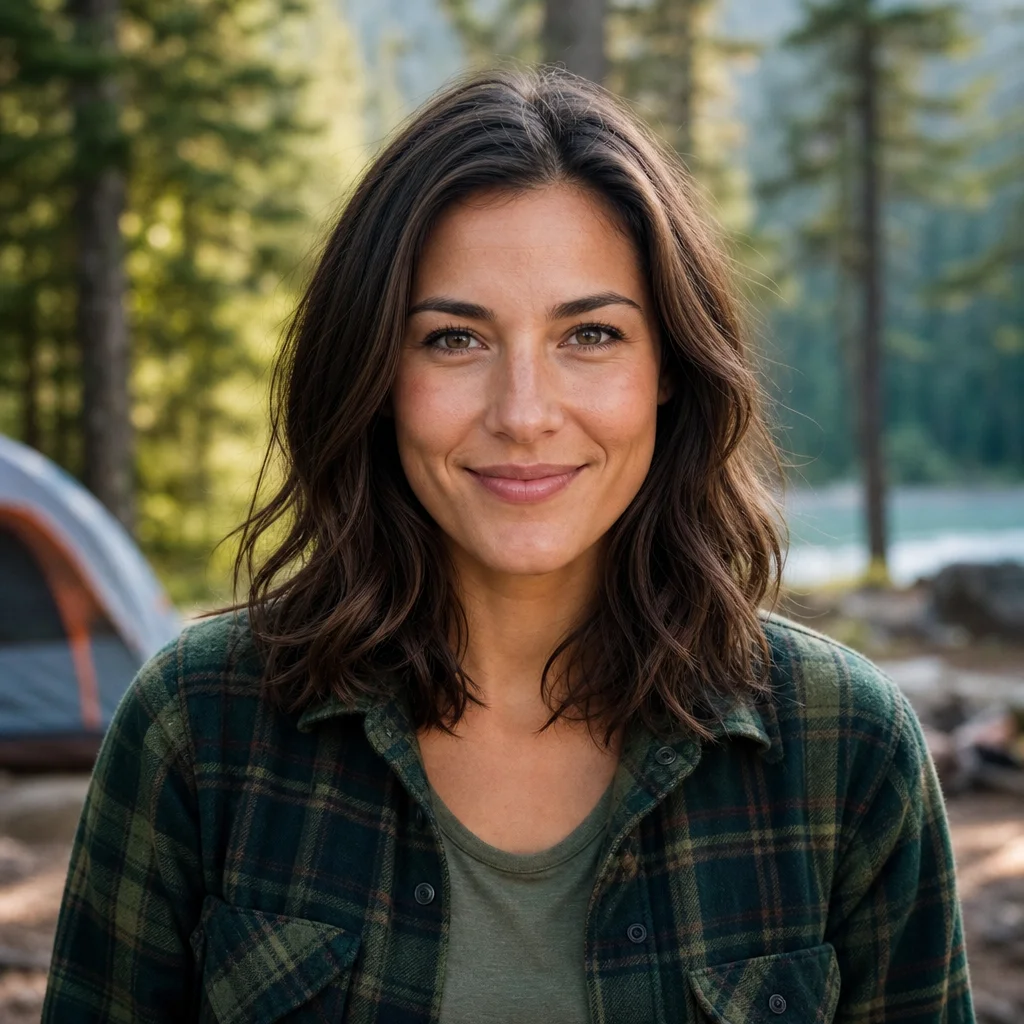
A lake campsite in British Columbia’s Interior can feel like two different trips in one day. Afternoon sun may turn an exposed site into an oven, while clear skies, dry air and a light breeze can leave you reaching for insulated layers after sunset. Water beside camp is inviting, but it doesn't automatically make the site cooler, safer or easier to manage.
The useful approach is to plan for the daily swing rather than packing only for the forecast high. Choose a campsite that offers options, set up shelter for both sun and overnight cooling, protect your water supply, and keep a simple clothing system close at hand.
Check the conditions for your lake campsite
Before leaving, check the current forecast for the specific lake or recreation area, including overnight lows, wind and thunderstorm risk. Confirm campground or backcountry access, fire restrictions, local water advisories, swimming notices, bear information and any boating requirements through the relevant BC Parks, Recreation Sites and Trails BC, local government, or land-manager sources. Conditions and restrictions can vary substantially between valleys and change quickly during hot, dry periods.
Pick a site that gives you choices
The best-looking lakeside spot isn't always the most comfortable place to sleep. A site directly on an open shore can receive intense afternoon sun, funnel wind across the water, and offer little privacy or protection from dew. In busy places, it may also be the most heavily used area of the campground.
Look for a site with partial shade, especially shade that arrives during the hottest part of the afternoon. Mature trees, a forest edge, or a site set slightly back from the shore can make cooking, resting and tent management much easier. At the same time, avoid placing your tent directly beneath dead branches, leaning trees, or limbs that could fall in wind. Check overhead before committing to a tent pad or hammock setup.
A little distance from the water often improves comfort. Set your tent on established ground where possible, rather than on vegetation or a sandy beach. This helps protect the shoreline and keeps your sleeping area away from late-night foot traffic, mosquitoes concentrated near still water, and changes in lake level or storm-driven waves.
Balance shade with airflow
Dense shade is valuable in the heat, but a completely enclosed site may stay damp longer in the morning and provide limited airflow. Conversely, an open beach may be breezy but punishingly hot through the day.
Aim for a compromise:
- Put the tent where it receives morning sun or filtered light, if possible, so condensation can dry.
- Keep the main daytime sitting area in reliable afternoon shade.
- Use natural windbreaks without camping in a drainage channel, gully, or low hollow where cooler air can settle overnight.
- Orient tent doors and tarps with the expected wind in mind, while retaining a safe exit and enough ventilation.
On many clear Interior nights, cold air settles downhill and into low areas. The difference may be modest at one campsite and pronounced at another. A slightly raised, well-drained tent pad is generally more versatile than the lowest flat patch near shore.
Build shade before the day gets hot
Once a lakeside site heats up, it is difficult to cool down a tent or cooking area. Set up shade soon after arrival, ideally before the sun reaches its strongest angle.
A tarp, canopy, or awning can create a usable daytime space, but it needs thoughtful placement. Leave room between the tarp and tent rather than draping a tarp tightly over the tent body; trapped heat and reduced ventilation can make the tent hotter. Pitch a separate tarp over a table or sitting area when site rules and available trees allow it.
Use suitable anchors and a stable pitch. Interior thunderstorms can bring abrupt gusts, and a loosely secured canopy can become a hazard. Lower or remove a tarp if strong wind is expected and you can't secure it safely.
Don't treat a tarp as a substitute for weatherproof shelter. A flat, high shade tarp may shed very little rain and can pool water in a storm. If rain is possible, use a sloped configuration with a clear runoff path, and don't direct water toward your tent, kitchen or neighbouring campsite.
Keep the tent from becoming a heat trap
A tent is primarily a sleeping shelter, not a place to spend the hottest hours of the day. Keep doors open only when you are present and insects are manageable; otherwise, use mesh panels and vestibule ventilation. Open rainfly vents and, when conditions permit, leave opposing mesh doors or windows open to promote cross-ventilation.
Close the tent before leaving camp if rain or wind is plausible, but avoid sealing it up tightly every afternoon by habit. A fully closed tent in direct sun can become uncomfortably hot very quickly. Move sleeping bags, pads and electronics out of direct sunlight, and avoid storing fuel canisters, batteries, aerosol containers or medications in a hot tent or vehicle.
If you are car camping, a reflective windshield shade, window screens and a shaded parking position can reduce vehicle heat. Never rely on a vehicle as a safe cooling space in hot weather, and never run an engine or fuel-burning device for cooling or warmth in an enclosed vehicle or tent.
Treat lake water as a water source, not a guarantee
A cold lake can make you feel cooler, but swimming doesn't replace drinking water. Heat, exertion and dry Interior air can add up before you notice thirst, particularly while unloading canoes, setting up camp or spending time on exposed water.
Bring more treated drinking water than you expect to need, especially for a short car-camping stay. If you will collect water, use a treatment method appropriate to likely hazards and follow its instructions carefully. Clear-looking water can still contain microorganisms, and local advisories may affect whether a water source is suitable.
Keep drinking water separate from lake water used for washing. Wash dishes and yourself well away from the shoreline, using biodegradable soap sparingly where it is permitted; “biodegradable” doesn't mean it belongs directly in a lake. Dispose of strained dishwater in accordance with local guidance and well away from water, campsites and trails.
Make hydration easy
You don't need to obsess over a fixed litre target, because needs vary with heat, activity, food, health and individual factors. Instead, make regular drinking convenient:
- Keep a filled bottle in the shade where you sit and cook.
- Carry water on paddles and walks, not only in the vehicle or at camp.
- Eat normal meals and salty snacks as appropriate for your needs rather than relying solely on plain water after heavy sweating.
- Take breaks before you become overheated.
- Watch for warning signs such as headache, unusual fatigue, dizziness, nausea, confusion, or hot, dry skin.
If someone shows signs of severe heat illness, confusion, fainting, or worsening symptoms, move them to a cooler area, begin cooling measures, and seek urgent medical help. Remote sites may have limited reception, so know the access route and emergency plan before an incident occurs.
Plan clothes for sun, wind and a fast temperature drop
The simplest lake-camping clothing system isn't a huge pile of garments. It is a small set of pieces that remain useful when the temperature changes: breathable sun protection during the day, a dry insulating layer for the evening, and a reliable rain and wind shell.
For daytime, lightweight long sleeves, a brimmed hat, sunglasses and sunscreen can be more comfortable than relying on a T-shirt alone. They reduce repeated sunscreen application and protect you when paddling or sitting in reflected light near water. Choose fabrics that dry quickly and avoid cotton as your only warm layer; once damp from sweat, rain or a swim, it loses much of its insulating value.
For evening, reserve at least one base layer and one warm layer that stay dry. A long-sleeve top, warm socks, fleece or synthetic insulated jacket, and light toque can be surprisingly useful after a hot day. Add a windproof, waterproof shell to hold warmth in when a breeze comes off the lake.
Keep a change of dry camp clothes
This is one of the most useful habits on canoe and car trips alike. Change out of wet swimwear and sweat-damp clothing before you begin to feel chilled. Put dry socks and an insulating layer somewhere accessible—not buried in the bottom of a gear bin after dark.
Store your sleep clothes in a dry bag or sealed packing cube. Even at a drive-in campground, this prevents a wet towel, leaking cooler or damp tent floor from turning your only warm layer into a problem.
Set up your sleep system for the low, not the high
A hot afternoon can lead people to bring a very light sleeping bag, then a clear night arrives and the tent feels far colder than expected. Sleep comfort depends on more than the air temperature: wind, humidity, fatigue, damp clothing, cold ground and the insulation beneath you all matter.
Use a sleeping bag or quilt with a temperature rating suited to the expected overnight low, with a margin for your own sleep style. Temperature ratings aren't identical comfort promises across brands. If you tend to sleep cold, are exhausted, or are sleeping in damp conditions, you may need more insulation than the number on the forecast suggests.
Your sleeping pad matters as much as your bag. It limits heat loss to the ground, so select one with enough insulation for the expected conditions. An air mattress without adequate insulation can feel cold even when the night doesn't seem particularly chilly.
A flexible Interior lake setup might include:
- an insulated sleeping pad;
- a sleeping bag or quilt suitable for cool nights;
- dry sleep layers and socks;
- a light toque for cooler sleepers;
- a breathable tent with a properly pitched rainfly; and
- a warm bottle, filled and sealed carefully, if appropriate for your bottle and bedding.
Avoid using fuel-burning heaters, stoves, charcoal barbecues or candles inside a tent, enclosed shelter, vehicle or other poorly ventilated space. Fire and carbon monoxide risks are serious, and these devices can also add moisture to the air.
Manage condensation without overcorrecting
Lakeside humidity, wet gear and overnight cooling can produce tent condensation. Some moisture on the inside of the fly or tent walls is normal; it doesn't necessarily mean the tent is leaking.
Reduce it by ventilating the tent, keeping wet towels and paddling gear outside under a covered area when feasible, and avoiding contact between your sleeping bag and tent walls. Stake the fly taut so it doesn't sag onto the inner tent. In the morning, air out bedding and dry the tent when conditions allow.
Don't close every vent simply because the night feels cool. Modest airflow often reduces condensation and can make the tent more comfortable by morning. Add clothing or adjust your sleeping system before sacrificing all ventilation.
Use the lake safely on hot days
A lake is an excellent place to cool off, but water temperature, sudden depth changes, submerged hazards and wind can create risks even in hot weather. Enter slowly rather than diving into unfamiliar water. Cold water can affect breathing and movement more quickly than many people expect, particularly early in the season or on deeper lakes.
Wear a properly fitted, approved personal flotation device when paddling, and consider wearing it near deep water or when supervising children from a small craft. Keep an eye on wind: a calm launch can become a difficult return trip when afternoon conditions build across an open lake. Plan paddles for earlier in the day where practical, stay close to shore when appropriate, and leave a generous turnaround time.
Keep children within close reach near water. A shoreline with gentle-looking access can still have slippery rocks, drop-offs or sudden boat traffic. Local rules, hazards and permitted activities differ by lake, so follow posted signs and directions from the land manager.
Keep food, fire and camp routines heat-aware
High temperatures change ordinary camp tasks. Food warms quickly, coolers work harder, and dry vegetation can make a casual campfire decision consequential.
Pack perishable foods in a quality cooler with plenty of ice or frozen water bottles. Keep the cooler shaded, open it sparingly and separate frequently used drinks from food when possible. Follow food-safe handling practices, and don't leave meat, dairy, cooked food or garbage out at camp.
Store food, coolers, scented toiletries and waste according to local requirements. Wildlife behaviour and storage rules vary across British Columbia; an animal-proof locker may be available at one campground and absent at another. A clean campsite is both more pleasant and less likely to attract wildlife.
Fire restrictions can change rapidly during hot, dry weather. If fires are permitted, use only designated fire rings, keep the fire small, have water ready, and extinguish it fully. Don't collect wood where prohibited or move firewood between regions; buying local firewood or using approved sources helps reduce the spread of pests. If a fire ban is in effect, use permitted alternatives only and understand that some restrictions may also apply to certain camp stoves.
A practical packing and arrival routine
A short routine helps prevent the common mistake of discovering your warm layer, drinking water or tarp after you need it.
When packing, keep these items accessible:
- drinking water and treatment supplies;
- sun hat, sunscreen and sunglasses;
- rain shell, warm layer and dry socks;
- tarp or canopy, guylines and anchors;
- sleeping pad, bag or quilt, and dry sleep clothes;
- insect repellent and a head net if bugs are likely;
- first-aid kit, navigation tools and charged communication device;
- food-storage supplies and garbage bags; and
- personal flotation devices and required paddling safety equipment.
On arrival, do the work in the order that protects comfort later: assess hazards, place the tent on suitable ground, pitch shade, secure food, fill water bottles, and set aside warm clothes for the evening. Check the forecast again if you have service. A quick adjustment to the tarp, tent ventilation or sleep system in late afternoon is easier than solving it in the dark.
For a comfortable Interior lake trip, think in layers and options. Shade helps you handle the afternoon; dry insulation and a capable sleep system handle the night. With a sensible site choice, enough treated water and a camp setup that can adapt to wind or rain, you can enjoy the lake without being caught off guard by its daily temperature swing.