Solo Car Camping: Small Decisions That Make a Big Difference
Practical choices for site selection, arrival timing, communication, food storage, personal security, and changing plans when you are alone.
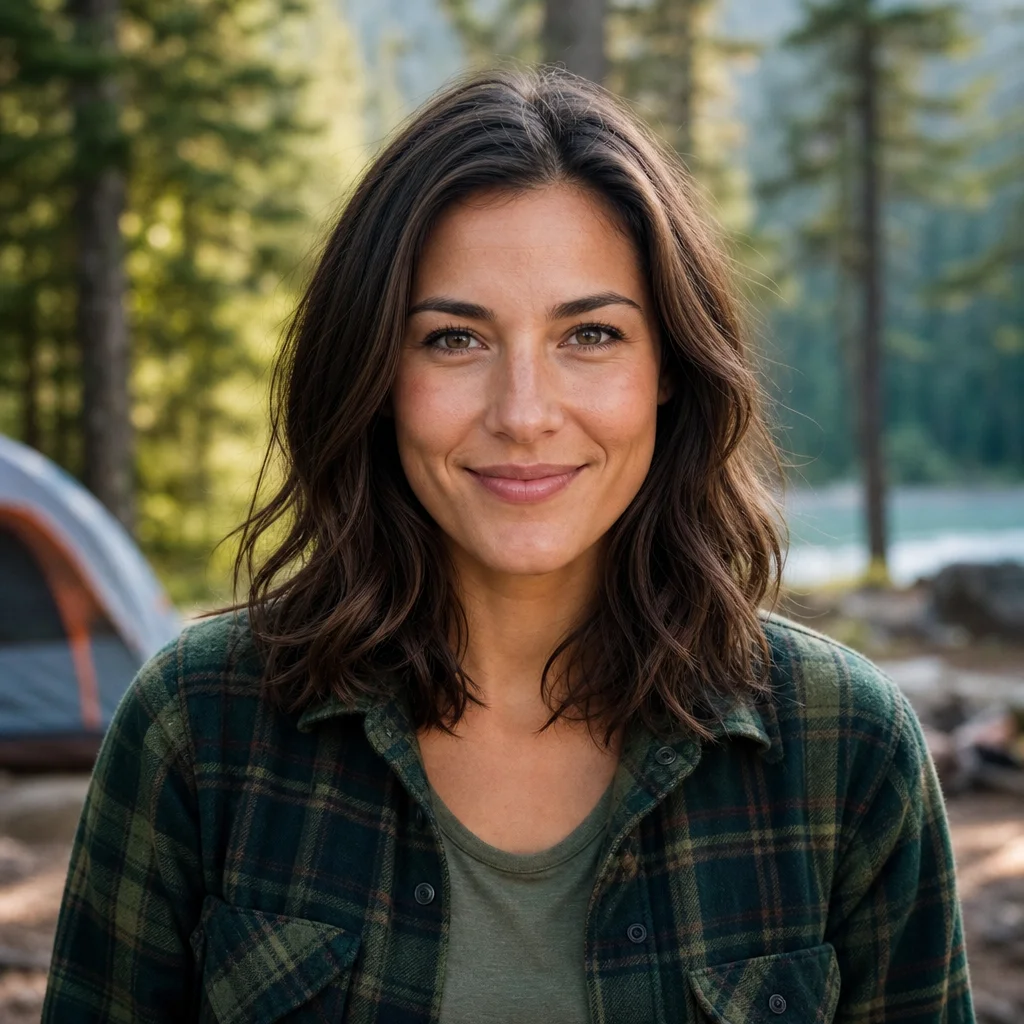
Solo car camping gives you useful flexibility: your shelter, supplies and a way out are close at hand. It also means that small oversights—a late arrival, a poorly chosen site or a dead phone—can feel larger when no one is sharing the workload.
The goal isn't to turn a quiet overnight into a security operation. It is to set up a few simple systems that leave you comfortable, informed and able to change course without drama.
Pick a site that makes the evening easy
A good solo site is usually one that reduces decisions after you arrive. At a developed campground, look for a site with a clear, level place to park and pitch a tent, reasonable access to the washroom, and enough separation from high-traffic areas to feel settled. If you are sleeping in your vehicle, assess whether the parking surface is level enough for a comfortable night and whether overnight vehicle sleeping is allowed.
Privacy has tradeoffs. A site at the far edge of a campground may be quieter, but it can also mean a longer walk to facilities and fewer nearby people if you need help. A site directly beside a washroom or busy trail can be convenient but noisy. For a first solo trip, a maintained campground with a host, clear site boundaries and other campers within sight or hearing can be a sensible middle ground.
Once you arrive, take a slow walk around the immediate area. Note the route to the washroom, water source, campground office or host site, garbage facilities and your vehicle. Look for roots, holes, low branches and uneven ground that become easy to miss after dark. This brief orientation is particularly useful if you need to leave quickly because of weather, illness or an unexpected problem.
Avoid setting up where water naturally collects. Low spots can become muddy in a short rainstorm, and drainage channels should be left clear. In windy conditions, consider falling branches, loose items around camp and how securely your tent is staked.
Arrive with daylight to spare
Daylight is one of the most useful solo-camping resources. It gives you time to find the right loop, speak to staff, inspect the site, set up deliberately and make a backup plan if something isn't right.
Aim to arrive early enough that you can finish your main tasks before dusk:
- Check in and confirm the location of your site.
- Park in a way that allows an uncomplicated departure.
- Put up your shelter and test your sleep setup.
- Locate facilities and review the campground map.
- Prepare dinner, store food and organize the vehicle.
- Identify a dry indoor or vehicle-based option if rain moves in.
Arriving late is sometimes unavoidable. In that case, simplify rather than rush. Use a headlamp, eat a no-cook meal if needed, and postpone non-essential organizing until morning. It is better to sleep in a functional, slightly untidy setup than to fumble with a full camp build in darkness.
Keep your keys, phone, headlamp and a layer of warm clothing together in one known place. A small zip pouch by your sleeping area works well. This is less about expecting trouble and more about avoiding the familiar late-night search for a headlamp that has somehow migrated under a camp chair.
Tell someone the plan—and the end point
A check-in plan is one of the simplest safeguards for solo camping. Give one reliable person the information that would help them recognize when you are overdue and communicate useful details to responders if necessary.
Share your campground name, site or loop if known, travel route, vehicle description, licence plate, planned arrival date and expected return time. Include a realistic check-in schedule, such as a message after setup and another when you return home. Avoid a schedule so frequent that a missed message creates unnecessary concern because you were hiking, driving or out of service.
Agree on what the person should do if they can't reach you. For example, they might wait a defined period, try calling and texting, then contact campground staff or local authorities if your return deadline passes. Leave them the reservation confirmation or a screenshot of key details where possible.
Don't depend on campground Wi-Fi or mobile coverage. Download offline maps for the drive and nearby area, carry a paper map where appropriate, and keep a charging cable and power bank accessible. On remote routes or backcountry-access roads, a satellite communicator or personal locator beacon may be worth considering, but it doesn't replace route planning and sound judgement.
Before you drive to a low-service campsite
Check current official campground information for office hours, after-hours arrival procedures, road or ferry disruptions, cell-service expectations and emergency contact methods. Provincial, territorial, national park and municipal campground rules can differ, and conditions can change quickly after storms or seasonal closures.
Keep food storage routine, not complicated
When you are alone, it is tempting to leave food on the table while you take a short walk to the washroom or finish setting up. A better habit is to put food away whenever you aren't actively using it.
Store food, coolers, dishes, cooking equipment, pet food, garbage and scented toiletries according to the rules and wildlife guidance for the campground. In some places, that may mean locking items in a hard-sided vehicle; in others, a bear-resistant locker or canister is required or recommended. A cooler isn't automatically wildlife-resistant, and a tent isn't food storage.
Keep your cooking area clean as you go. Wash dishes promptly in the designated area if one is provided, strain food scraps from dishwater and pack scraps out or dispose of them as directed. Don't burn garbage or food scraps in a fire pit. It creates odours, can attract animals and often leaves a mess for the next camper.
Plan simple meals with minimal leftovers. Pre-portion ingredients at home, bring a small wash basin and cloth, and pack a dedicated bag for garbage and recycling. The fewer loose food items you manage after dark, the easier it is to keep a tidy camp.
Wildlife safety isn't only about bears. Ravens, raccoons, squirrels and rodents can quickly learn that campsites offer easy meals. Proper storage protects wildlife as well as your supplies.
Build personal security into ordinary habits
Personal security is usually best handled through awareness and practical boundaries rather than constant worry. Choose a campground and site that feel appropriate for your comfort level, and trust yourself if a situation or location feels wrong. You don't need a dramatic reason to move sites, check into a motel or drive home.
A few low-key habits can help:
- Keep your vehicle fuelled enough to leave without hunting for an open station.
- Keep keys, identification, phone and essential medication within reach overnight.
- Lock your vehicle when you are away from it and when you are asleep, while ensuring you can exit safely if sleeping inside.
- Avoid displaying cash, electronics or other valuables at your site.
- Let a campground host or staff member know promptly about harassment, unsafe behaviour or a disturbance.
- Maintain a clear path from your tent or vehicle to the driver’s seat; don't block it with bins, chairs or firewood.
If another camper makes you uncomfortable, you don't owe them personal details such as whether you are alone, how long you are staying or where you are headed next. A vague answer, a change of subject or a polite exit is enough. If you feel threatened or believe someone needs urgent help, move toward a staffed or populated area if it is safe to do so and contact emergency services.
Use lighting thoughtfully. A headlamp is better than flooding the site with bright lantern light, which can make it harder to see beyond your immediate area and may disturb neighbours. Keep a light accessible inside your tent or vehicle rather than buried in a storage tote.
Set up your vehicle for a quick, calm departure
Your car is a major advantage on a solo trip, but only if it remains usable. Before settling in for the night, check that the driver’s area is clear, the keys are where you expect them to be, and the vehicle isn't blocked by gear or awkward parking.
Park facing outward when the site layout permits. This can make an early departure easier, although it shouldn't override campground directions, traffic flow or safe positioning. Don't leave the engine running for warmth or power while sleeping. Exhaust fumes can enter a vehicle, especially in still conditions or where snow, mud or other obstructions affect the exhaust area. Use suitable bedding and clothing instead.
Bring more warmth than you think you need for the forecast, particularly in spring and fall. Temperatures can drop sharply overnight, and a vehicle or tent doesn't create warmth on its own. Insulation beneath you matters as much as the sleeping bag or quilt over you. A sleeping pad, insulated mattress or layered blankets reduce heat loss to the ground or vehicle floor.
Keep a basic roadside kit in the vehicle: a spare tire or repair option, jack and wrench appropriate to your vehicle, booster cables or a battery pack, flashlight, first-aid kit, drinking water and seasonal traction or emergency supplies. On unpaved roads, drive slowly and avoid assuming that a map route is suitable for every vehicle.
Make changing plans part of the plan
The most valuable solo-camping skill may be giving yourself permission to leave. A forecast that worsens, an inaccessible road, a noisy site, a damaged tent, illness or simply a poor feeling about the situation are all valid reasons to adjust.
Create a simple Plan B before departure. It might be a nearby hotel, a different campground, a friend’s home, a day-use outing followed by a drive home, or an extra night with a confirmed reservation. Save the addresses and phone numbers you may need, and tell your check-in contact if your location or return time changes.
Weather calls for measured decisions. Rain is often manageable with a sound shelter, dry layers and a way to keep bedding protected. Strong wind, lightning, wildfire smoke, flooding, extreme heat or rapidly dropping temperatures may warrant a different response. Follow alerts and directions from park staff and local emergency officials rather than relying only on a general forecast.
When conditions or plans shift
Check current alerts from the relevant park agency, province or territory, local municipality and wildfire authority. Confirm fire bans, evacuation orders, road conditions, campsite closures and weather warnings for the specific area—not just the nearest city. If an official direction conflicts with your original itinerary, follow the current direction and update your check-in contact.
A simple solo-camping rhythm
A repeatable routine reduces mental load. After arrival, set up shelter, orient yourself, prepare food, store scented items and send your check-in message. Before bed, secure the site, set out your essentials, check the forecast and decide what time you will reassess conditions in the morning.
When you leave, take a final slow lap of the site. Check for tent stakes, garbage, food scraps, charging cables and items under the vehicle. Confirm that your check-in person knows you are on the road, then send a final message once you are safely home or at your next confirmed stop.
Start with a campground that feels straightforward, arrive early and keep your first solo itinerary modest. Each trip will show you which small systems make you more comfortable. The aim isn't to eliminate every uncertainty; it is to make sensible choices early enough that you retain good options later.