Solo Camping as a Woman: Practical Site, Arrival, and Check-In Decisions
Practical guidance for solo women campers choosing a site, arriving with daylight, setting up check-ins, holding boundaries, and changing plans when conditions don't feel right.
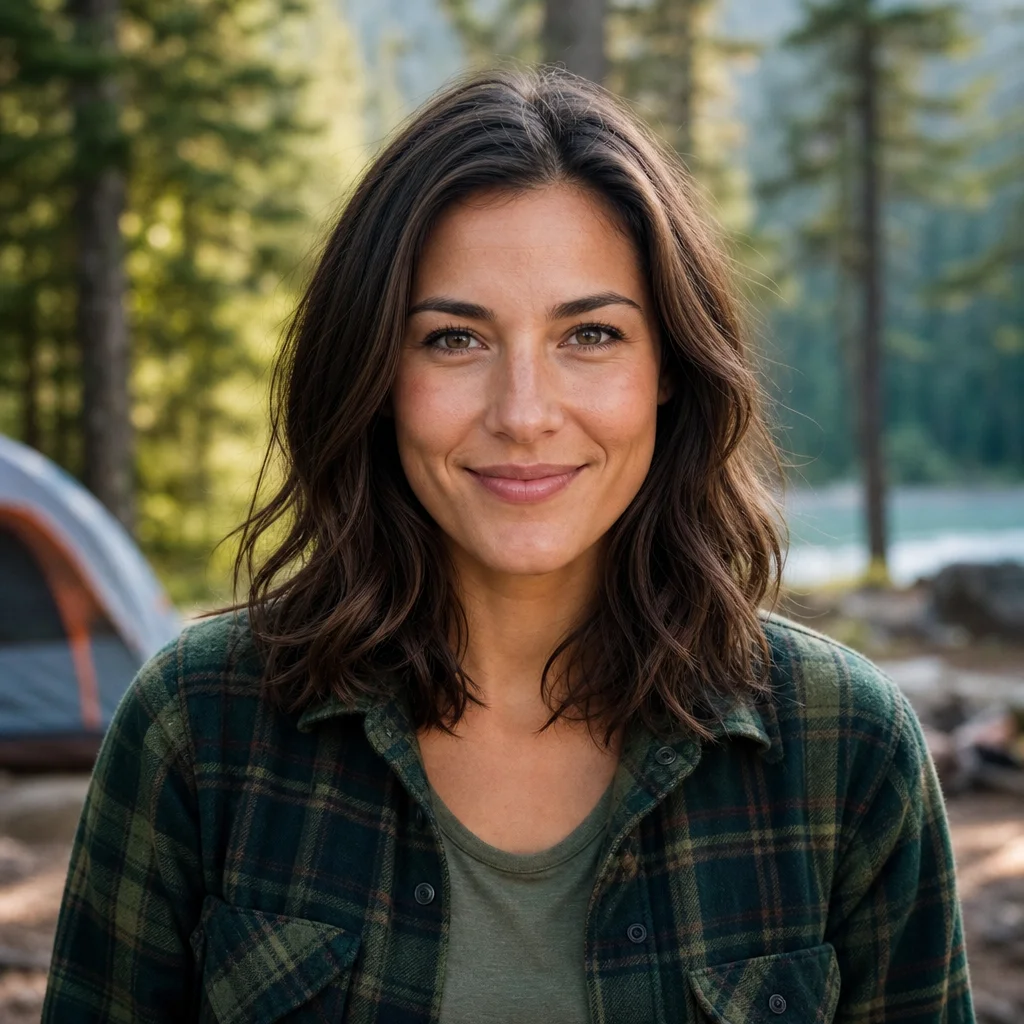
Solo camping can be quiet, restorative, and refreshingly simple—but the small decisions around where you sleep, when you arrive, and how you stay connected deserve deliberate planning. The aim isn't to treat every interaction as a threat. It is to build enough margin into your plan that you can make calm choices rather than solve avoidable problems in the dark, tired, or under pressure.
Your best tools are usually ordinary ones: a site you can assess clearly, an arrival plan with daylight to spare, a reliable way to communicate your itinerary, and permission to leave or change plans without needing a dramatic reason.
Before you reserve and set out
Confirm the campground’s current opening dates, check-in process, late-arrival procedure, quiet hours, visitor rules, fire restrictions, wildlife guidance, and any road or weather alerts through the relevant provincial, territorial, municipal, Parks Canada, or private campground source. Also check whether your route has dependable fuel, services, and cellular coverage. These details can change by season and location.
Choose a campground that supports an easy first night
For a first solo trip—or a first visit to an unfamiliar area—a developed campground is often the most straightforward choice. You may have a camp host, marked sites, nearby washrooms, other campers within sight or hearing distance, and a clear process if you need assistance. That doesn't make it the only suitable option, but it reduces the number of decisions you need to make at once.
When comparing campgrounds, look beyond the booking photo. A large, busy campground may feel reassuring because people and staff are nearby, but it can also be noisier and have more foot traffic past your site. A smaller loop may be calmer, yet farther from facilities and less likely to have someone nearby if you need help. Neither is automatically better; decide which tradeoff suits the trip.
If the reservation system provides a map, consider:
- Distance to facilities. A site close to a washroom or water tap can be convenient, especially overnight. It may also have more passing traffic. A site at the far end of a loop can be quieter but less convenient after dark.
- Road and footpath exposure. Choose a site with enough separation from the main campground road or a busy trail to feel settled. Avoid treating seclusion as the only goal: being completely hidden can also make it harder to get assistance or be noticed if you need it.
- Terrain and drainage. Look for level tent pads, established surfaces, and no obvious low point where rainwater could collect. A pleasant view is less useful if your tent ends up in a puddle.
- Visibility around the site. You don't need an open, exposed site, but it helps to have a clear sense of where paths, neighbouring sites, parking, and exits are when you arrive.
- Proximity to the campground entrance or host. This can make late arrival easier and may be useful when you are travelling alone. Conversely, the entrance area can be bright or busy.
For car camping, it is usually useful to park so you can load up and leave without an elaborate turnaround. Keep access lanes clear and follow site parking rules. For walk-in sites, make sure you understand the distance and surface between the parking area and the site before carrying in your gear.
Arrive early enough to assess, not merely to unload
Daylight is one of the simplest comforts you can give yourself. It lets you read site numbers, inspect the tent pad, find washrooms, identify the route back to the entrance, and set up without rushing. It also gives you time to decide whether a site is workable before you have committed your evening to it.
Build in a buffer for ordinary delays: road construction, a slow grocery stop, confusing park roads, poor weather, or a longer-than-expected drive. If your planned arrival is near sunset, consider stopping earlier, booking a simple overnight accommodation, or choosing a campground you already know rather than pushing onward.
A late arrival isn't necessarily unsafe or a failed trip. Many campgrounds have procedures for it, such as a reservation board, self-registration station, or instructions from the gatehouse. The practical issue is that setting up in darkness can make it harder to spot hazards and easier to disturb neighbours. If you know you will arrive late, contact the campground where possible and confirm the process.
When you reach the site, pause before unloading everything. Walk the tent pad, note the washroom route, locate any bear-proof food storage required by the campground, and check the weather. If the site has a problem—standing water, a damaged table, a conflict with your assigned space, or a situation that simply doesn't work for you—raise it with staff early. A site change is often easiest before you are fully set up.
Make your first ten minutes do useful work
Once you decide to stay, set up the parts of camp that make the evening functional:
- Put up your shelter or at least get the tent footprint and tent in place.
- Set out a light source for the tent entrance and a headlamp where you can reach it.
- Place keys, phone, identification, and any needed medication in one consistent, accessible location.
- Learn the quickest route from your site to the washroom, campground office, and vehicle.
- Store food, scented items, and garbage according to local wildlife rules—not just when you go to sleep, but whenever the campground requires it.
This is less about creating a fortress than avoiding the irritating scramble of searching for a headlamp or car keys when you are tired. A tidy, repeatable system also makes a move easier if weather or circumstances change.
Use a check-in plan that is specific and realistic
A check-in plan works best when it is simple enough that you and your contact will actually follow it. Choose one trusted person and tell them your route, campground name, site number if known, vehicle description, and expected return time. If you are changing locations, send an update when you have service rather than assuming someone can infer it from a vague message.
Agree on a few concrete check-in points. For example:
- a message after you arrive and are set up;
- a daily check-in at a time when you expect to have service; and
- a final message when you are leaving the campground or have reached home.
Avoid a plan that requires you to report constantly. Missed messages can happen because a phone battery dies, coverage is weak, you are hiking, or you are simply asleep. Instead, agree in advance on what a missed check-in means and when your contact should take action. They should know the campground name, your vehicle information, and the relevant non-emergency or emergency contact route for the area.
Don't rely solely on live location sharing. It can be helpful where it works, but it depends on battery life, data service, app settings, and signal. A written itinerary remains useful if your phone is unavailable. For backcountry or remote travel, consider whether a satellite communicator or emergency beacon is appropriate for your route, and learn its operating limits before departure.
Be friendly without giving away more than you want to share
Camping often includes brief, pleasant exchanges: a neighbour asking about trail conditions, someone admiring your stove, or a family saying hello while walking past. You can enjoy ordinary campground sociability while keeping personal details private.
A few neutral responses make boundaries easy:
- “I’m keeping a quiet evening tonight, but thanks.”
- “I have plans in the morning, so I’m turning in early.”
- “I’m not sharing my itinerary, but I hope you have a good trip.”
- “No, thank you.”
You don't need to explain, soften, or debate a refusal. If someone continues to press after a clear answer, step away to a public area, contact campground staff or a host, or leave if that is the best option. Trusting your discomfort doesn't require you to prove that another person has bad intentions. It may simply mean an interaction isn't one you wish to continue.
Be thoughtful about visible information as well. It is generally wise not to leave a detailed route plan, home address, or travel documents in plain view at your site or vehicle. Keep valuables out of sight and take essential items with you when leaving camp, while recognizing that campground theft prevention is mostly about reducing opportunity rather than guaranteeing security.
Have an uncomplicated plan for changing course
Changing plans is a practical outdoor skill, not an overreaction. You might leave because the weather is deteriorating, the site is flooded, you are exhausted from driving, the campground atmosphere isn't what you expected, or you simply would sleep better elsewhere. You don't need to wait for a crisis to choose a different plan.
Make that option easier before you leave home. Carry enough fuel to avoid arriving on empty, keep a payment method available for an alternative campground or motel, and save offline maps or written directions for a nearby town. If you are travelling during a busy season, alternatives may be limited, but knowing where they are is still useful.
If you decide to leave, do so in a calm, ordinary way. Pack essentials first, tell your check-in contact that your location has changed, and notify campground staff if you are checking out or abandoning a reserved site. You aren't obligated to make an elaborate explanation to other campers.
For an urgent concern, move toward people, staff, a public building, or a well-lit area where possible. Call emergency services when there is an immediate threat or medical emergency. For a non-urgent campground concern, the office, host, park warden, or posted local contact may be the more appropriate first call.
Keep safety decisions proportionate
Solo camping doesn't require constant vigilance, and it is worth resisting advice that makes it sound as though you must be suspicious of everyone nearby. Most of your comfort will come from reliable basics: managing weather, food storage, light, navigation, vehicle readiness, and communications.
At the same time, you are allowed to make decisions based on what helps you rest. You can choose the more populated loop, ask for a different site, leave a conversation, lock up early, or move on the next morning. These are normal choices, not a referendum on whether you are “brave enough” to camp alone.
Set yourself up for a quieter next trip
Before departure, write down three pieces of information: your campground’s current contact details, your check-in schedule, and one backup place to spend the night. On arrival, assess the site in daylight whenever possible, establish your essential setup, and send the promised check-in once you are settled.
After the trip, make a few notes about what made the site work—or what didn't. Over time, you will develop preferences for campground size, site placement, arrival windows, and communication routines. That personal pattern is more useful than a rigid set of rules, and it makes each solo trip easier to plan.