Camping in the Okanagan Shoulder Season Without Overheating or Freezing
Practical ways to camp comfortably in British Columbia’s Okanagan during spring and fall, with a focus on temperature swings, dry air, changing services, and exposed campsites.
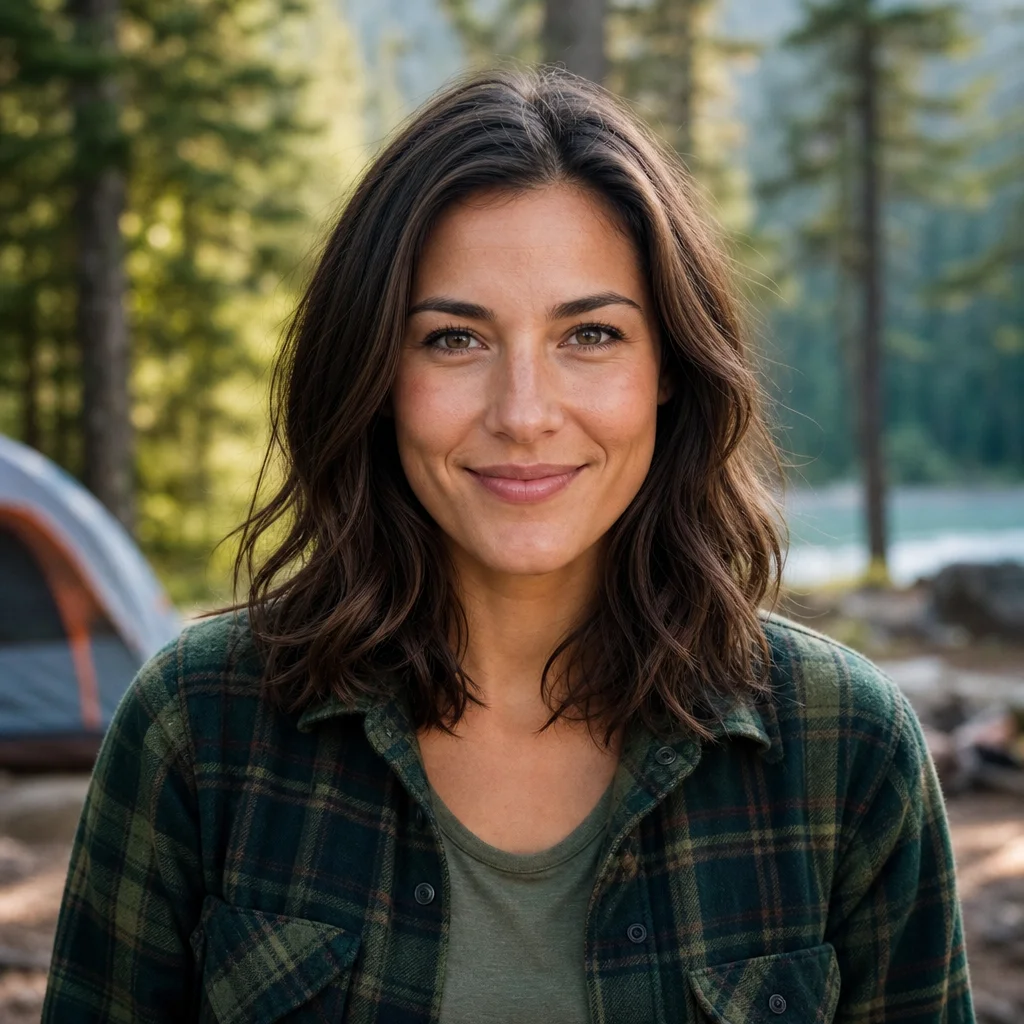
Shoulder-season camping in the Okanagan can offer quieter campgrounds, cooler hiking weather and pleasant days beside the lakes. It also asks more of your setup than a predictable midsummer trip. A warm afternoon can turn into a cold evening quickly, especially in open valleys, near water or at higher elevations. Dry air, wind and reduced campground services add their own complications.
The solution isn't to pack for every possible condition. It is to plan a flexible sleep system, choose a site with its exposure in mind, and make sure your water, heat and power plans still work when the campground is operating on a reduced schedule.
Before you choose an Okanagan campsite
Check the current operating dates, water availability, washroom and dump-station status, reservation rules, fire restrictions, and any weather or wind advisories through the relevant park operator, municipality, regional district or BC Wildfire Service. Conditions and services can differ sharply between campgrounds, even within the same valley.
Expect wide temperature swings, not just “cooler weather”
The Okanagan is often dry and sunny in the shoulder season, which can make daytime temperatures feel much warmer than the forecast suggests. Once the sun drops behind a ridge, however, the temperature can fall quickly. Clear nights lose heat efficiently, and a campsite beside a lake, creek or low-lying field may feel colder or damper than a nearby bench above it.
Wind is the other variable that catches campers out. A breeze that feels welcome while setting up can make cooking, sitting outside and sleeping in a lightly insulated tent much less comfortable later on.
Use a forecast for the nearest campground or community as a starting point, but also consider the site’s microclimate:
- Valley bottoms and lakeshores can collect cool air overnight and may feel damp in the morning.
- Benches and open grasslands may receive more afternoon sun but can be exposed to wind.
- Forested sites provide shade and some wind protection, but can stay cool longer in spring and autumn.
- Higher-elevation campgrounds can be substantially colder than towns along the lake, particularly overnight.
- South- and west-facing sites may be comfortable in late afternoon but can be hot and bright during an unseasonably warm day.
If you have a choice, prioritize a site with some wind protection and morning sun. A bit of early sun helps dry condensation from a tent and makes breakfast more pleasant, while wind protection is useful long after the afternoon warmth has disappeared.
Build a sleep system for the coldest part of the night
Your sleeping bag matters, but the insulation below you often matters just as much. Cold ground steadily draws heat away from your body, and an inflatable mattress that feels luxurious in summer may not provide enough insulation for a crisp shoulder-season night.
Choose a sleeping pad with an insulation rating suited to the overnight low you expect, with a margin for a colder-than-forecast night. A closed-cell foam pad under an insulated inflatable pad is a simple way to add warmth and provide a backup if the inflatable pad loses air.
For tent camping, a practical sleep setup includes:
- A sleeping bag or quilt rated appropriately for cool nights, rather than relying on extra blankets alone.
- An insulated pad, with a foam layer if conditions may approach freezing.
- Dry base layers reserved for sleeping.
- Warm socks and a toque; these are small items with outsized value after dark.
- A filled water bottle used as a bed warmer only if it is designed to hold hot water securely and is tightly sealed.
Avoid going to bed chilled. Eat a proper evening meal, change out of damp clothing and add layers before you start shivering. It is easier to retain warmth than to regain it in a cold sleeping bag.
For RV travellers, the same principle applies, though the weak points are different. Insulate the bed area, use window coverings at night and keep bedding away from cold exterior walls where possible. If you use a furnace, budget for battery draw and propane use rather than assuming hookups or mild daytime weather will carry you through the night.
Don't use fuel-burning appliances, portable barbecues or vehicle engines to heat a tent, trailer or other enclosed sleeping space. They create serious fire and carbon-monoxide risks. Use properly installed, vented RV heating systems as intended, maintain carbon-monoxide and smoke alarms, and follow the manufacturer’s guidance.
Dress for sun, wind and cooling evenings
A shoulder-season clothing system should let you shed layers at midday and put them back on before you become cold. Start with a moisture-managing base layer, then add a fleece, wool layer or light insulated jacket. Carry a windproof outer layer even when rain isn't expected; in the Okanagan, blocking wind can be more important to comfort than carrying a heavy waterproof shell alone.
For camp, keep one dry insulating layer out of your daytime rotation. If a hike, paddle or setup session leaves you sweaty, changing into dry clothes before sunset makes the evening much more comfortable.
The sun can still be intense during spring and autumn, particularly near reflective water or on open, pale ground. Bring sunscreen, sunglasses, a brimmed hat and more drinking water than you might pack for an equivalent-temperature outing on the coast. Cool air can disguise dehydration.
Manage dry conditions and water carefully
The Okanagan’s dry climate changes how a campsite feels and how quickly supplies disappear. Dust can blow into tents and RVs, water bottles empty faster than expected, and hands, lips and eyes may feel dry after a day outdoors.
Bring sufficient potable water for drinking, cooking and basic washing unless you have confirmed that a campground water system is operating. In shoulder seasons, some campgrounds limit services, shut off taps to protect plumbing, or offer water only at selected locations. Don't assume a map icon or an old trip report reflects current conditions.
For tent campers, a few habits help:
- Fill containers when you have confirmed potable water is available rather than waiting until evening.
- Keep a separate small container for handwashing and dish cleanup to reduce waste.
- Use a groundsheet that fits under the tent footprint; oversized tarps can collect rain and muddy the tent floor.
- Keep tent doors closed during gusty periods, and store dusty footwear in a vestibule or bag.
For RVs, arrive with enough fresh water to be self-sufficient if the site’s water connection is unavailable. Empty tanks and winterized systems are common practical realities outside peak season, and a closed dump station can alter your plan. Conserve water early rather than trying to solve a full grey tank late in the trip.
Set up for wind without turning the tent into a sail
Campground exposure varies widely. A treed site can be calm while a nearby lakeside loop is buffeted by steady wind. Before committing to the final tent position, stand still for a minute and notice the wind direction, nearby dead branches, low spots where water may collect, and how the site will change when shade arrives.
Pitch the lowest, narrowest end of the tent toward the prevailing wind where the tent design allows it. Stake and guy out the shelter properly, including the lines that may seem optional on a calm afternoon. Use the right stakes for the soil: narrow stakes can pull out of loose, dry ground, while rocky sites may require careful placement or purpose-built alternatives.
Don't tie guy lines to vegetation in a way that damages it, and don't place a tent beneath hazardous branches. If wind becomes strong enough that the shelter is repeatedly deforming or stakes won't hold, consider moving to a more sheltered site if permitted, using your vehicle or RV as a windbreak without blocking traffic or another site, or changing plans altogether.
A canopy can be useful for sun and light rain, but it needs secure anchoring and sensible judgement. In gusty conditions, taking it down is often safer than trying to out-stake the weather.
Plan meals around reduced daylight and uncertain fires
Cool evenings invite long campfire dinners, but fire availability should never be the foundation of your cooking or warmth plan. Restrictions, campground rules, seasonal closures and weather conditions can change. Bring a self-contained cooking method that you can use where permitted, along with enough fuel for all meals.
A stove-friendly shoulder-season menu reduces setup time after dark: soups, pasta, chili prepared at home and reheated, hot drinks, oatmeal, and one-pot meals all work well. Store food securely and keep your kitchen tidy. Wildlife behaviour and food-storage requirements vary by location, so follow posted directions and local guidance rather than relying on a single approach everywhere in the region.
Start dinner earlier than you would in July. The loss of daylight is noticeable, and cooking while you still have natural light makes wind management, food handling and campsite organization easier. Keep headlamps accessible rather than buried in the tent.
Make an RV plan for power, plumbing and condensation
An RV can be comfortable in shoulder season, but it isn't automatically carefree. Furnace fans, lights, water pumps and device charging all add up when solar input is lower, days are shorter and sites don't have electrical hookups.
Check your battery condition before leaving, carry charged lights, and understand the limits of your system. If you rely on solar, park only where it is permitted and recognize that a shaded site or cloudy day can significantly reduce output. If you use a generator, follow campground quiet hours and generator rules; many campers choose shoulder season for its quiet.
Condensation is another common issue. Cooking, breathing and drying wet clothing add moisture to a small interior, while cool exterior surfaces encourage it to collect on windows and walls. Ventilate according to your RV manufacturer’s guidance, use roof vents where appropriate, wipe down accumulated moisture, and avoid drying a large amount of wet gear indoors overnight.
If temperatures may drop near freezing, confirm how your particular RV plumbing system should be protected. Tank location, insulation and furnace ducting vary greatly by model. A warm cabin doesn't necessarily mean every pipe or valve is protected.
Keep the itinerary flexible
The best shoulder-season trips leave room to respond to conditions. A forecast may call for sun but deliver wind, a campground may have fewer services than expected, or a cold night may make a higher-elevation destination less appealing than a lakeside alternative.
Pack so that you can comfortably spend an evening inside a tent vestibule, vehicle or RV if wind or rain arrives. Bring a book, cards or downloaded maps, and don't make your comfort depend entirely on an outdoor fire or a perfect patio-style campsite.
For your next trip, check the specific campground’s current service status, then pack around the coldest likely night rather than the warmest likely afternoon. A well-insulated sleeping setup, reliable cooking plan, full water containers and a sheltered site choice will do more for comfort than a large pile of extra gear.