Saskatchewan Camping When the Horizon Is Wide and Shade Is Limited
Plan shelter, hydration, sun protection, and daily timing for exposed prairie and lakeside campsites in Saskatchewan.
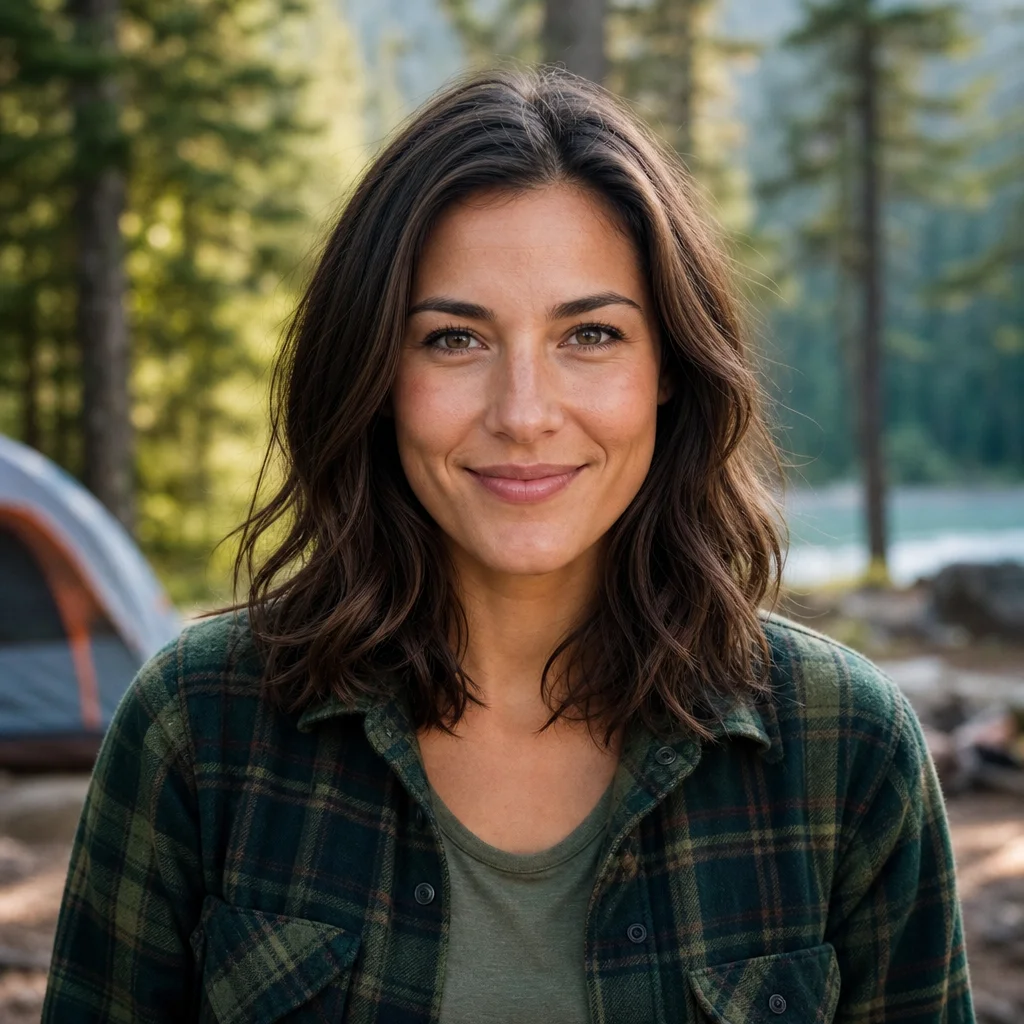
A Saskatchewan campsite can feel wonderfully open: big sky, a long view of the lake, room for children to play, and sunsets that seem to take their time. That same openness can make a hot, windy afternoon surprisingly demanding. In many prairie and lakeside campgrounds, natural shade is limited, wind can shift quickly, and the sun reaches parts of camp that would be sheltered in a forested site.
For car campers and families, comfort usually comes down to planning the site around exposure rather than simply unpacking beside the picnic table. Bring a dependable shade plan, treat water and food storage as part of heat management, and arrange the day so that the busiest activities happen when conditions are easier.
Before choosing your Saskatchewan campsite
Check the current official page for the provincial, regional, municipal, or national park you plan to visit. Confirm fire restrictions, campground-specific rules for shelters and generators, drinking-water availability or advisories, beach and boating notices, weather alerts, and the site map. Conditions, services, and permitted equipment can change during the season.
Choose a site for the conditions, not just the view
A lake-facing or open prairie site can be attractive, but assess it with the practical parts of camp in mind. A few minutes spent looking at the site can prevent a day of chasing shade and retying gear.
Map the sun before setting up
On arrival, note where the sun is and where it will be later. Morning shade may disappear by lunch; a tree that looks promising can cast only a narrow shadow by mid-afternoon. Look for shade around the picnic table, tent pad, vehicle parking area, and the spot where children are likely to spend time.
If reservations show site photos or a map, use them as clues rather than guarantees. Mature trees, nearby buildings, terrain, and the direction a site faces can make two sites in the same loop feel very different.
A tent is primarily a sleeping shelter, not an effective all-day cooling space. In direct sun, it can become uncomfortable quickly. Set it on the best available tent pad, but make your daytime living area separate: ideally under existing tree cover or a properly secured canopy.
Read the wind exposure
In open country, the breeze that makes a warm day pleasant can also lift light gear, send dust across meals, and make a loose tarp noisy all night. Notice which direction the wind is coming from when you arrive, then look for clues that it changes: flattened grass, wind-shaped shrubs, exposed shoreline, or neighbouring sites that are sheltered by vegetation.
Position the vehicle, a windbreak where permitted, or the solid side of a shelter to reduce wind at the cooking and seating area. Avoid blocking roads, paths, access to water, or another camper’s space. Don't try to create a windbreak with a tarp stretched low across a fire area; fabric, heat, sparks, and people moving about camp are a poor combination.
Lakeside sites deserve extra caution. Wind can make water conditions rougher than they first appear, and a calm morning doesn't promise a calm afternoon. Keep loose shoreline gear well back from the water and make a clear family rule about when swimming, paddling, or floating stops.
Give yourself a little room
A compact site can still work well if you assign each area a purpose. Keep the tent door clear, cooking gear away from sleeping space, and chairs in the shaded zone. When wind is expected, leave enough space to park the vehicle without squeezing against guy lines or shelter legs.
For families, a simple boundary helps: one place for active play, one for cooking, one for quiet shade, and one for gear. It reduces clutter and makes it easier to notice when a child—or a dog—has wandered into the hot, unshaded part of camp.
Bring shade that can handle prairie wind
A folding canopy, vehicle awning, or tarp can make an exposed campsite far more usable. The tradeoff is that larger shade structures catch more wind. Treat them as equipment that requires active setup and supervision, not as something to open once and forget.
A practical shade kit
For most car-camping trips, consider bringing:
- a canopy or tarp sized for your group rather than the largest one available;
- stakes suited to the ground conditions, plus extra stakes and guy lines;
- sandbags, water weights, or other manufacturer-approved ballast where staking is difficult;
- a mallet or stake puller;
- a ground cloth or outdoor mat for the sitting area;
- clips or cord to secure towels and light items; and
- a small repair kit with tape, spare cord, and replacement hardware if your shelter uses it.
Follow the shelter manufacturer’s instructions for anchoring. A canopy needs all of its legs secured, not just the upwind corners, and guy lines should be visible enough that people don't trip over them. Bright cord, flags, or small cloth markers can help in a busy family campsite.
Never rely on coolers, camp chairs, or a single heavy object as the only anchor for a shelter. They can shift, tip, or become hazards if a gust catches the roof. If wind builds beyond what your equipment is designed to handle, take the canopy down. That may be inconvenient, but replacing damaged poles—or dealing with an injured camper—is worse.
Use tarps thoughtfully
A tarp can offer flexible shade when tied between trees where permitted, but don't damage trees with wire, nails, screws, or tight cord that can abrade bark. Use wide, tree-friendly straps where appropriate, and avoid attaching anything to dead or unstable trees.
On treeless sites, a tarp needs sturdy poles and secure anchors. Keep its angle low enough to shed wind but high enough for safe movement. Build in an easy release: if a storm approaches, you should be able to remove or lower the tarp promptly.
Check local campground rules before using any structure. Some campgrounds limit where you may stake, attach lines, or place equipment because of underground services, site design, or vegetation protection.
Make hydration easy rather than aspirational
On a hot, bright day, people often wait until they feel thirsty before drinking. That isn't an ideal routine when you are setting up camp, playing outside, or spending time on the water. Make water the easiest option to reach.
Bring more drinking water capacity than you expect to need if the campground’s supply is uncertain, seasonal, or distant from your site. A large water container at camp, refillable bottles for each person, and a cooler with cold water usually work better than relying on a single small bottle.
Use the campground’s designated potable-water source only when it is identified as safe for drinking. Water from a lake, creek, hand pump, or tap shouldn't be assumed drinkable without current local guidance and appropriate treatment. If you use a treatment method, follow its instructions closely; different methods have limits, especially with cloudy water or certain contaminants.
Pair water with food and rest
Drinking water matters, but it is only one part of coping with heat. Regular meals and salty snacks can be useful during active days, particularly if your group is sweating heavily. Avoid making alcohol the main camp beverage in hot weather, as it can complicate hydration and judgment around water, fire, and sun exposure.
Plan a midday pause. Offer water and a snack when everyone returns from a walk, swim, playground, or paddle. Children may be too engaged to notice thirst, and older adults or people taking certain medications may be more sensitive to heat. Individual needs vary, so build in frequent opportunities to cool down and rest.
Watch for signs that someone is struggling with heat, such as headache, dizziness, unusual fatigue, nausea, confusion, fainting, or hot skin. Move them to shade or a cooler location, loosen extra clothing, offer fluids if they are awake and able to drink, and seek urgent medical help for severe symptoms, collapse, confusion, or loss of consciousness. When in doubt, get help rather than trying to manage a serious situation at camp.
Protect skin, eyes, and feet from long exposure
Sun protection works best as a system. Sunscreen helps, but a hat, loose long-sleeved shirt, sunglasses, shade, and activity timing reduce the amount of direct exposure you need to manage.
Choose a broad-brimmed hat or a cap with neck coverage for long periods outside. Lightweight, breathable clothing can be more comfortable than repeatedly applying sunscreen to every exposed area. Use sunscreen according to its label, apply it before extended exposure, and reapply as directed—especially after swimming, sweating, or towel drying.
Remember the easy-to-miss places: ears, backs of hands, feet in sandals, the back of the neck, and the scalp along a hair part. Sunlight reflected from water or pale sand can add to exposure even when you are sitting under partial shade.
Bare feet are pleasant around camp until the ground becomes hot, thorny, or littered with small sharp objects. Keep sandals or closed-toe shoes near the tent and establish a footwear rule for cooking zones, around fire pits, and on hot pavement.
Shift the day instead of fighting the afternoon
A wide-open campsite often rewards an earlier start and a slower middle of the day. You don't need to schedule every minute, but a loose rhythm helps everyone stay more comfortable.
A simple heat-aware camp rhythm
Morning: Set up shade, fill water containers, take a walk, paddle if conditions are suitable, or handle active chores before the day warms up.
Midday: Eat, read, play cards, rest under shelter, visit a shaded indoor facility if one is available, or take a short drive to a nearby community. Keep food cold and limit complicated cooking.
Late afternoon: Resume active play, hike, fish, or prepare dinner as temperatures ease. Reassess wind and remove or resecure shade gear if conditions have changed.
Evening: Make camp ready for night before it is dark: refill water, secure food and garbage as required, find headlamps, and check tent stakes after the wind has had a day to work on them.
For cooking, use meals that don't require you to stand over a hot stove for an hour. Cold lunches, make-ahead salads kept safely chilled, wraps, simple grilled food, and one-pot dinners can reduce heat and cleanup. Follow food-safety basics: keep perishable food cold, separate raw and ready-to-eat foods, and don't leave meals out in the sun.
Prepare for sudden changes in weather
Prairie weather can change quickly, and exposed sites offer fewer places to hide from wind, rain, lightning, or hail. Check the forecast before leaving and again during your trip. Keep a charged phone, a weather radio if you use one, and a plan for where your group will go if conditions deteriorate.
A tent, picnic shelter, or canopy isn't a safe place to wait out lightning. If you hear thunder, move to a substantial enclosed building or a hard-topped vehicle when available, and wait until the storm has clearly passed before returning to open activities. Avoid shorelines, open fields, isolated trees, and metal structures during a thunderstorm.
Pack rain gear where you can reach it quickly, rather than burying it under bedding. Close tent windows and vestibules before leaving camp for the day, but maintain ventilation as the tent design allows to reduce condensation. In high wind, inspect stakes and guy lines once the weather settles; don't rush outside to adjust fabric while lightning is nearby.
Keep the campsite comfortable after dark
An open site may cool quickly once the sun goes down. Pack layers rather than assuming the daytime temperature tells the whole story. A light insulating layer, rain shell, warm socks, and a sleeping bag appropriate for the expected overnight low make evenings easier, particularly for children who have spent the day in sun and water.
If fires are allowed, use the designated fire pit and follow current restrictions. Keep the fire modest, supervise it closely, and fully extinguish it with water when finished. Wind can carry sparks farther than expected, so be especially cautious with lightweight shelters, tents, dry grass, and loose paper around the fire area.
At bedtime, secure shade structures if wind is forecast or take them down if they aren't designed for overnight use. Put away food, coolers, garbage, and scented items according to campground requirements. Good camp habits protect your supplies and reduce avoidable wildlife encounters.
Build your Saskatchewan packing list around exposure
For an exposed prairie or lakeside trip, add these items to the usual tent, sleep system, stove, and food list:
- secured shade shelter and anchoring kit;
- refillable bottles and extra water-storage capacity;
- sun hats, sunglasses, sunscreen, and lightweight cover-up layers;
- rain shells and warm evening layers;
- a tarp or ground mat for a cleaner, cooler sitting area;
- headlamps, spare batteries or a power bank, and a way to receive weather updates;
- simple meals that minimize midday cooking; and
- a first-aid kit with supplies you know how to use.
When you arrive, make three jobs the priority: establish safe shade, set out accessible drinking water, and check the weather and campground notices. Once those are handled, the wide horizon becomes the advantage it should be—room to slow down, watch the sky, and enjoy camp without spending the day battling the elements.