Camping in Alberta Foothills: Wind, Chinook Changes, and Water
Planning considerations for exposed foothill camps where temperature shifts, wind, and limited shade can change the day quickly.
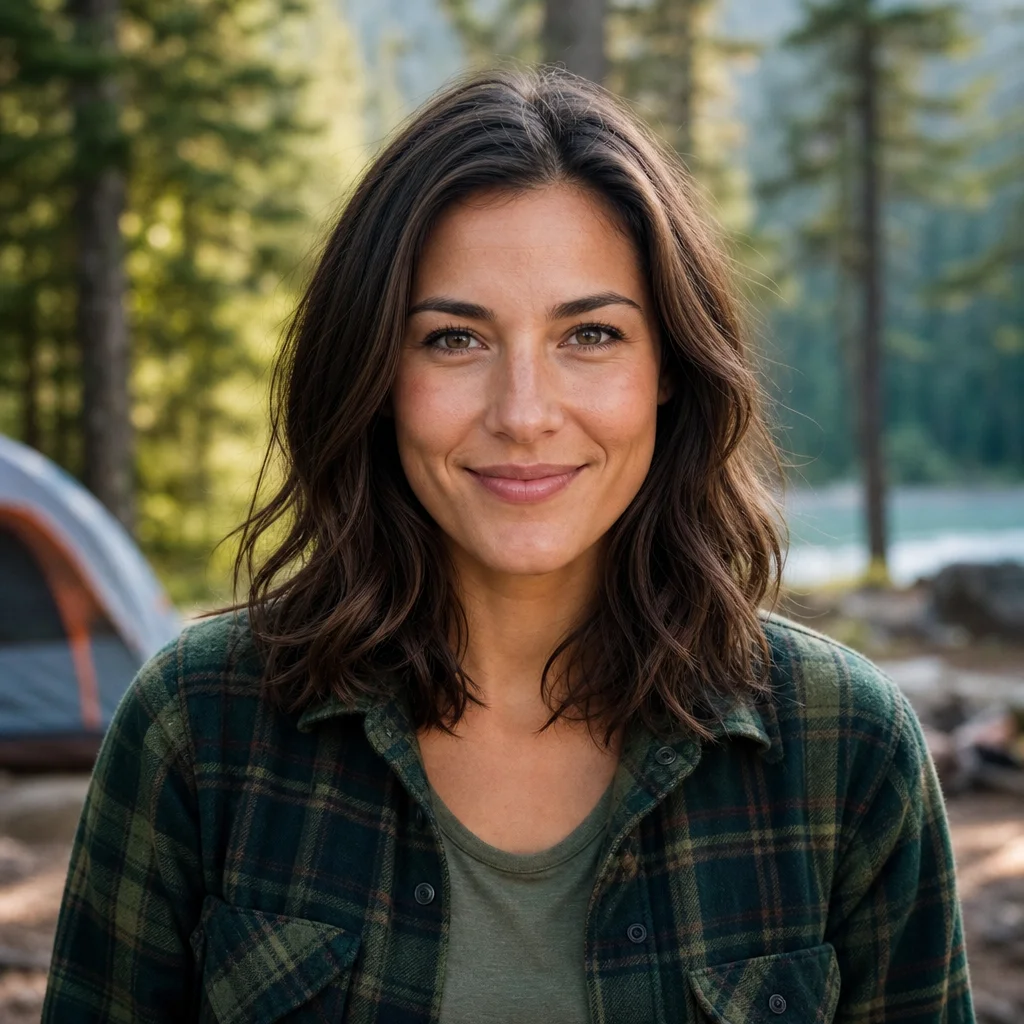
Camping in Alberta’s foothills can feel wonderfully open: big views, moving air and easy access to trails or public land. That same exposure asks more of your camp setup. Wind can arrive before you have finished pitching the tent, a Chinook can turn a cold morning into a mild afternoon, and a water source that looked dependable on a map may be seasonal, distant or unsuitable without treatment.
The useful approach is to plan for change rather than pack for one forecast. A few deliberate choices around site selection, shelter, clothing and water storage can make a foothills trip far more comfortable.
Before you choose a foothills campsite
Check current official Alberta and local land-manager information for campground status, road access, fire restrictions, backcountry or public-land rules, water advisories and wildlife notices. Review the detailed forecast for the specific elevation and nearby community, including wind gusts, overnight lows and precipitation. Conditions, closures and restrictions can change quickly.
Treat wind as a campsite problem, not just a weather detail
In the foothills, wind affects more than comfort. It can make a tent noisy, chill you after activity, blow dust into food, complicate cooking and turn unsecured equipment into litter. A forecast’s sustained-wind number is only part of the picture; gusts and wind direction often matter more when choosing a site.
Look for a site with natural, safe shelter. A low bench, a stand of healthy trees or the sheltered side of a modest rise may reduce exposure. Avoid hollows that collect water, however, and don't camp beneath dead limbs, leaning trees or trees with obvious damage. Wind protection isn't worth a hazard from falling branches.
In formal campgrounds, choose a pad that isn't at the outermost exposed edge if you have options. On public land or in backcountry settings where camping is permitted, use established sites where possible and avoid expanding bare ground or creating new campsites simply to find a better windbreak.
Pitch the tent for the expected wind
Set up the tent with its lowest, strongest end facing the prevailing or expected wind when its design allows. Check the manufacturer’s guidance: some tents are designed to handle wind better from one direction than another.
Use every appropriate stake-out point, guyline and vestibule attachment. Firm ground can still loosen after repeated gusts, so push stakes fully into the soil at a suitable angle and check them after the first windy period. Bring enough stakes for all key points, plus a few spares. Rock or hard-packed ground may call for different stake styles, but avoid damaging tent floors or vegetation in the process.
A footprint slightly smaller than the tent floor helps prevent rainwater from collecting between the footprint and tent. Keep doors and vents managed for the conditions. Fully sealing a tent may seem sensible in wind, but condensation from breath and damp clothing can become its own problem. Use protected vents where the tent design permits.
Don't rely on a lightweight dining shelter as a windbreak unless it is specifically designed, secured and rated for those conditions. Many shade shelters and awnings are vulnerable to gusts. Taking one down early is usually less troublesome than repairing bent poles later.
Keep the living area low and orderly
Wind reveals loose systems quickly. Put light items—paper maps, camp towels, sleeping pads, empty bags and food packaging—inside a vehicle, tent or secured bin. Use lidded containers for cooking supplies and keep camp chairs folded or weighted when not in use.
If you cook outside, position the stove on a stable, non-combustible surface with adequate clearance, following the stove manufacturer’s instructions. Wind screens can improve stove performance, but a screen that traps heat around the fuel canister may create a dangerous overheating risk. Use only a windscreen arrangement approved for your stove, and never cook inside a tent, vehicle or enclosed shelter because of fire and carbon-monoxide hazards.
Plan for Chinook changes with a layering system
A Chinook is a warm, dry downslope wind that can bring striking temperature changes to parts of Alberta, particularly near the eastern slopes of the Rockies. It is a familiar regional pattern, not a guarantee that every winter or shoulder-season trip will become warm and dry. Cold, snow, rain, strong wind and rapid reversals remain possible.
The practical issue is that the clothing comfortable for packing up camp in the morning may be wrong by lunch, while an exposed evening can still feel cold once the sun drops or the wind rises. Rather than depending on one heavy jacket, pack layers you can add or remove without reorganizing your whole bag.
A dependable system includes:
- a moisture-managing base layer;
- an insulating layer, such as fleece or a synthetic or down jacket suited to expected conditions;
- a wind-resistant outer layer;
- a waterproof-breathable shell when rain, wet snow or prolonged precipitation is possible;
- a warm hat and gloves, even when daytime temperatures look mild; and
- spare dry socks and a dry layer reserved for camp.
For hiking, start slightly cool rather than dressed for standing still. You can add a layer during breaks, especially on ridges or in open grassland. At camp, change out of damp clothing promptly. This is simple comfort management, but it also reduces heat loss when the temperature or wind shifts.
Protect sleep from the overnight swing
Choose a sleeping bag and sleeping pad for the coldest plausible overnight conditions, not only the afternoon high. Sleeping pad insulation is especially important because the ground pulls heat from your body even when air temperatures seem manageable.
A warm-looking day can tempt you to leave the insulated pad behind. In the foothills, that is usually a poor trade. Use a pad with an insulation level appropriate to the season and bring dry sleep clothes. If the forecast carries a meaningful chance of colder conditions, a warm hat and an extra insulating layer give you more flexibility than trying to sleep in tomorrow’s hiking clothes.
Keep wet boots, rain gear and fuel outside the sleeping area but protected from rain. A vestibule can work well if it remains orderly and doesn't obstruct exits. Don't store fuel-burning appliances or fuel containers in the tent.
Make water a planned supply, not an assumption
Foothill water availability varies by location and season. Small creeks may run low, be difficult to reach through vegetation or disappear from their mapped course. Snowmelt, rain, livestock activity, upstream recreation and natural runoff can all affect water quality. A flowing stream isn't automatically safe to drink.
For car camping, the least complicated option is often to bring more potable water than you expect to need. Use sturdy, food-grade containers and keep a separate smaller bottle or jug for cooking and day use. Having reserve water means you aren't forced to search for a source late in the day or depend on a closed campground tap.
For hiking or backcountry trips, identify potential sources along the route, but carry enough capacity to bridge a dry stretch. A treatment plan should match the source and your trip:
- Filters can remove many protozoa and bacteria when used correctly, but they need protection from freezing and can clog in silty water.
- Chemical treatments are compact and useful as a backup, though they require contact time and may be less suitable for very cold or cloudy water unless pre-treated according to product directions.
- Boiling is effective when done correctly, but it uses time and fuel.
- A combination of methods may be sensible for longer or remote trips.
Follow the instructions for your specific treatment method. If water is visibly cloudy, let sediment settle or pre-filter it through a clean cloth before using a filter or chemical treatment. Collect from the clearest practical moving source, away from shore disturbance, livestock crossings and heavily used access points. Even then, treat it.
Budget water for wind and sun
Dry wind and bright sun can increase fluid loss without making you feel as sweaty as a humid day would. Carry water where you can reach it, drink regularly and take breaks before you feel depleted. Your actual needs depend on temperature, exertion, food, health and trip length, so a fixed amount is less useful than monitoring your intake and keeping a reserve.
Water is also needed for cooking, cleanup and emergencies. If you are travelling with a group, assign responsibility for knowing the next reliable source and the remaining stored water. It is easy for each person to assume someone else has checked.
Keep washing and dishwater well away from lakes, streams and water taps, following local rules. Pack out food scraps where required and avoid leaving scented waste at camp. Clean-water practices and food storage are closely connected in areas used by wildlife.
Work with limited shade and fast sun exposure
Many foothill campsites offer sparse shade, especially in open valleys, prairie-edge areas and recently disturbed landscapes. A tent can become hot quickly in direct sun, while the open ground around it may offer little relief.
If arrival time allows, consider where the sun will be in the late afternoon rather than choosing a site only for the morning view. A site with some safe natural shade can make cooking, resting and packing more pleasant. Don't tie tarps to unhealthy trees or place them where they could interfere with roads, paths or neighbouring sites.
A well-secured tarp can create useful shade, but it must be pitched for wind, not merely for sun. Keep the profile low, use strong anchors and be prepared to lower or remove it if gusts increase. A broad, high tarp that works in calm weather can become difficult to manage in exposed conditions.
Use personal sun protection as your primary system: a brimmed hat, sunglasses, protective clothing and sunscreen appropriate for your skin. Reapply sunscreen as directed on the product, particularly after sweating or water exposure. In cool wind, sunburn can sneak up on you because the air doesn't feel hot.
Build a flexible daily rhythm
The most comfortable foothills trips often use the calmer parts of the day well. If forecasts indicate stronger afternoon gusts or changing weather, hike exposed terrain earlier, refill water before camp setup and complete shelter tasks while conditions are manageable.
Keep a simple “weather change” kit accessible rather than buried in the vehicle or pack: shell jacket, warm layer, hat, gloves, headlamp, water treatment, map or offline navigation and a charged communication device. This is useful whether you are taking a short walk from a campground or spending the day on a longer trail.
When conditions deteriorate, reduce the plan instead of trying to outpace the weather. Choose a lower, more sheltered route, return to camp early or use the vehicle as a safe retreat when appropriate. In remote areas, tell someone your route and expected return time, and be realistic about road conditions and cellular coverage.
Pack and choose camp with change in mind
For a foothills trip, start by checking the current forecast, local restrictions and water situation. Then choose a site that balances shelter, drainage, safe trees and legal access. Bring a tent you know how to guy out, clothing that handles both warm wind and cold evenings, and enough water capacity that an uncertain source doesn't control your day.
The foothills don't require elaborate gear. They reward a camp that can be tightened down, layered up and watered properly when the weather decides to change its mind.