Yukon Camping Logistics for Long Drives and Limited Services
Plan fuel, food, water, communications, road stops, and realistic driving days for camping in the Yukon.
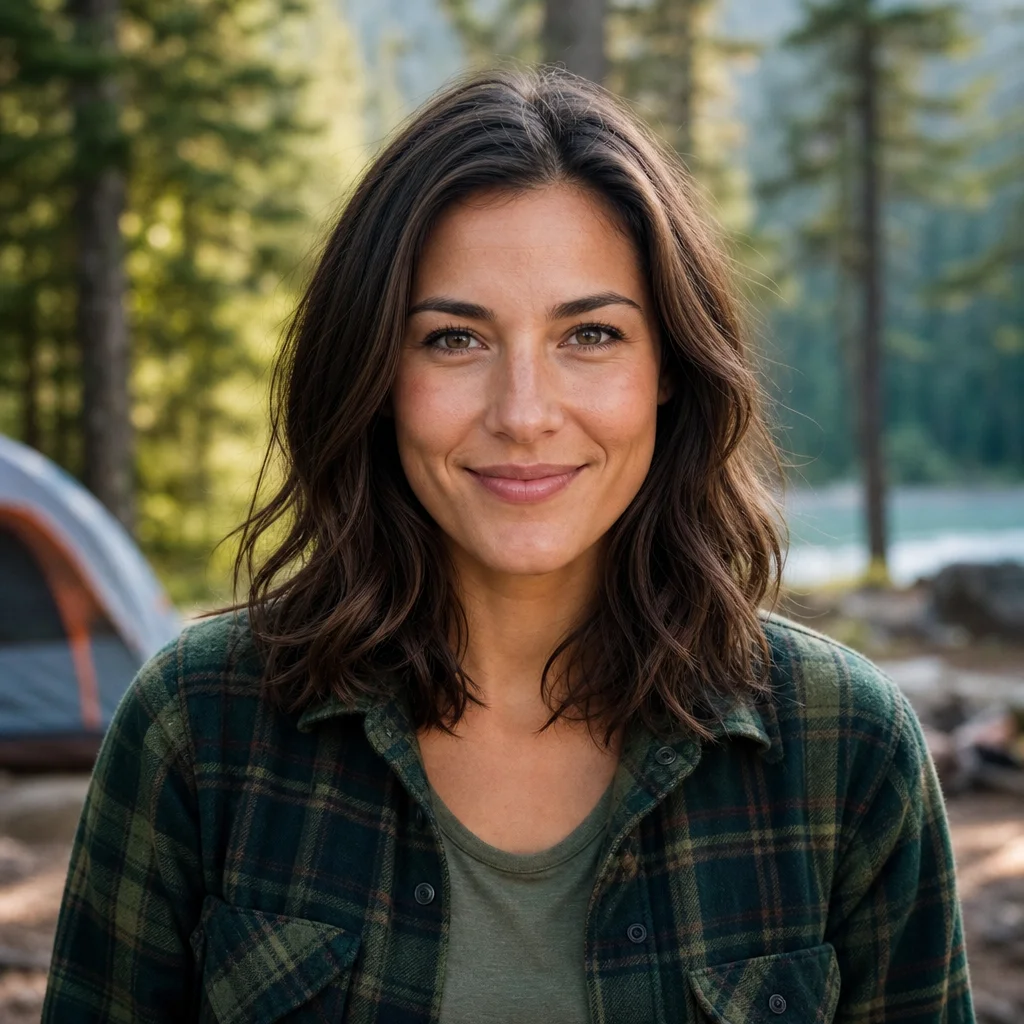
Yukon camping rewards people who plan for distance rather than assuming the next town is just around the bend. Roads can be scenic, quiet and perfectly manageable, but services may be far apart, a fuel stop can have limited hours, and a simple errand can consume much of a day.
The practical goal isn't to carry everything imaginable. It is to leave each service centre with enough fuel, water, food, navigation and contingency time to reach the next sensible stop without turning the drive into a gamble.
Before setting out on a Yukon leg
Check current road conditions, construction notices, ferry or highway disruptions, wildfire and fire restrictions, weather forecasts, campground operating dates, and the hours and fuel availability of planned stops through official Yukon government, park, road-condition and campground sources. Also confirm any border, park, backcountry or territorial camping requirements that apply to your route.
Plan driving days around distance, surface and stops
A map can make Yukon distances look deceptively straightforward. In practice, average speed depends on road surface, frost heaves, construction, dust, rain, wildlife, photo stops and the condition of your vehicle or trailer. A long day on pavement can become more tiring when you add gravel, washboard sections, wind or a stop to deal with a loose load.
Avoid planning solely by the fastest estimated travel time. Build a day around:
- the distance between reliable services;
- the road type and expected surface;
- your towing setup, if applicable;
- the amount of daylight and current weather;
- time for fuel, meals, washrooms and short walks; and
- an arrival window that leaves time to find and set up camp in daylight.
For many campers, a shorter driving day produces a better trip. It gives you room to slow down for a road closure, wait out poor visibility, pull over safely for wildlife, or choose a campground rather than accepting the first available option late in the evening.
Use an anchor-stop approach
Before each travel day, identify three points:
- Your planned overnight stop — a reservable campground, a first-come site, a community campground, or a legal overnight option you have confirmed.
- Your last dependable service stop before it — fuel, groceries, potable water, ice and any needed supplies.
- Your fallback stop — somewhere you can reach if your preferred campground is full, access changes or the road takes longer than expected.
This approach matters most when travelling on less-serviced routes or visiting popular areas in peak season. Don't treat a vague roadside pullout as a guaranteed overnight plan; land access, safety, private property and local rules all matter.
Treat fuel as a route-planning task
Fuel is one of the main constraints on a Yukon road trip, especially if you are towing, carrying a loaded vehicle, travelling on gravel, running a roof box or facing strong headwinds. Consumption can be markedly higher than it is on a familiar highway at home.
Start with your vehicle’s realistic range, not its brochure rating. If you tow, calculate using fuel economy from comparable towing conditions where possible. Then leave a meaningful reserve rather than planning to arrive on fumes.
A useful habit is to refuel when you have the opportunity, particularly when:
- you are leaving a larger community;
- the next stretch has few services;
- you are heading onto a gravel road or remote access road;
- you may need to backtrack to find a campsite or trailhead; or
- poor weather could slow your pace.
Keep a simple note of kilometres travelled, litres added and expected next stops. This quickly reveals whether your actual consumption is higher than expected.
Carrying extra fuel requires care
A properly rated, approved fuel container can add flexibility, but it also adds risk. Secure it upright outside the passenger compartment where possible, protect it from damage, and follow the container and vehicle manufacturer’s guidance. Avoid carrying fuel inside a tent trailer, camper sleeping area or enclosed space where vapours can accumulate.
Extra fuel isn't a substitute for sound planning. It is better viewed as a buffer for detours, delayed services or unexpected consumption.
Stock food for flexibility, not for a week of gourmet packing
Groceries are available in Yukon communities, but selection, price and opening hours may not match what you expect in a large southern city. If you have dietary restrictions, depend on specific brands, need infant supplies, or are travelling with a group, buy key items before leaving a major centre.
Plan meals in layers:
- Fresh meals for the first few days: produce, bread, dairy and foods that need reliable cold storage.
- Flexible staples: pasta, rice, oats, canned meals, nut butter, soup, tortillas and shelf-stable snacks.
- No-cook backup meals: food you can eat if rain, a late arrival, a fire restriction or equipment trouble changes dinner plans.
A cooler works best when you reduce the number of times it is opened. Pack frequently used drinks and snacks near the top, freeze what can be frozen in advance, and use block ice or frozen water bottles where suitable. Keep raw meat separate from ready-to-eat food, and maintain safe food temperatures rather than relying on cool outdoor air.
In bear country, food storage is both a campsite-management issue and a safety responsibility. Keep food, garbage, coolers, pet food, dishes and scented items managed according to the rules and facilities at the campground or backcountry site. A vehicle may be acceptable in some places and unsuitable in others; use the storage method required or recommended for the location.
Build a water plan for every overnight stop
Don't assume a campground water tap is operating, potable or conveniently located. Seasonal systems can be shut down, water advisories can occur, and some sites have no water service at all.
Carry enough drinking water to cover the drive, meals and the first night at camp, plus a reserve. The amount depends on your group, weather, cooking style and whether you have pets, but water disappears quickly when you include coffee, dishwashing and basic hygiene.
Use separate containers where practical:
- a clean, dedicated container for drinking water;
- a larger container for camp water; and
- a smaller accessible bottle for the vehicle.
If you intend to use lake, river or creek water, bring a treatment method appropriate to the source and understand its limits. Filtering, chemical treatment and boiling address different concerns and may need to be combined. Clear-looking water isn't automatically safe to drink.
For RV and trailer travellers, arrive with your freshwater tank at a useful level rather than assuming you can fill at camp. Confirm where you may obtain potable water and dispose of wastewater; dumping grey water on the ground isn't a responsible substitute for proper facilities.
Make communications work beyond cell coverage
Cell coverage can drop away outside communities and along many highways. Downloading maps before departure is helpful, but offline navigation doesn't let others know where you are or summon help.
For travel beyond dependable coverage, consider carrying a satellite communicator or satellite phone. A two-way satellite messenger can let you share check-ins, coordinate a delay and access emergency assistance when used correctly. It should complement, not replace, sound decisions about weather, road conditions and vehicle limits.
Before you leave coverage:
- download offline maps and save key locations;
- bring paper maps as a backup for longer or remote routes;
- tell a reliable person your planned route, overnight locations and expected check-in times;
- agree on what they should do if you miss a check-in;
- charge phones, navigation devices and satellite equipment; and
- carry vehicle charging options, while remembering that a vehicle battery isn't an unlimited power source.
Know how your emergency device works before a remote day. That includes subscription status, battery life, message settings and the difference between an SOS function and a routine check-in.
Prepare the vehicle for long gaps between services
A roadside issue that is minor near a city can become a serious delay when the next repair shop, tow truck or parts counter is far away. Start with routine maintenance, particularly tires, brakes, fluids, lights, wipers and the spare tire.
Your roadside kit should fit your vehicle and your ability to use it. Useful basics include:
- a properly inflated spare tire, jack and wheel-nut key;
- tire gauge, inflator and basic tire-repair supplies if you know how to use them;
- jumper cables or a battery booster;
- reflective vest, warning devices and a flashlight or headlamp;
- warm layers, rain gear, gloves and a blanket or sleeping bag accessible in the vehicle;
- first-aid supplies and personal medications;
- shovel, traction aids and recovery gear appropriate to the season and route; and
- food and water that remain available if you are delayed.
Gravel roads deserve a different driving mindset. Reduce speed for surface conditions, increase following distance to limit stone damage and dust, watch for changing traction, and pull over only where it is safe. If you are towing, check couplers, safety chains, tire pressures, lights and cargo tie-downs regularly. Vibration can loosen things that seemed secure at the start of the day.
Choose camp stops that match your arrival plan
Yukon camping can include territorial campgrounds, federal park campgrounds, private campgrounds, recreation sites and backcountry locations. These options differ in booking systems, fees, services, rules, occupancy patterns and access.
A serviced private campground may suit you when you need a shower, laundry, power, a dump station or a predictable late arrival. A simpler public campground may be a better fit when you want a quieter overnight and can be self-sufficient. Backcountry camping requires more preparation, route knowledge and careful attention to permits, food storage and leave-no-trace practices.
When choosing a stop, look beyond the site photo. Confirm:
- whether reservations are available, required or not offered;
- the campground’s operating period and same-day arrival rules;
- vehicle and trailer length limits;
- water, toilets, firewood, garbage and dump-station availability;
- generator hours and quiet hours;
- pet rules;
- payment methods; and
- the fire and food-storage requirements for that location.
Arriving earlier improves your options at first-come campgrounds. It also lets you assess the site, set up calmly and make dinner before fatigue starts making ordinary tasks feel unnecessarily complicated.
Leave room for weather, wildlife and closures
The Yukon’s conditions can change plans without much warning. Rain can make unpaved roads slower, smoke can affect visibility and breathing comfort, and cold nights can arrive even when daytime temperatures feel pleasant. Shoulder seasons add a greater chance of icy conditions and reduced services.
Wildlife on or near roads is another reason to avoid aggressive schedules. Slow down where visibility is limited, scan shoulders and ditches, and don't stop in an unsafe location for photographs. At camp, keep a clean site and give animals space. Never approach, feed or crowd wildlife.
If conditions deteriorate, the sensible choice may be to stop early, stay an extra night or turn back. A flexible itinerary is a practical safety feature, not a sign that the plan failed.
A simple departure routine for each leg
Before pulling out, take five minutes to answer:
- Do you have enough fuel to reach the next planned fuel stop with reserve?
- Do you have drinking water and food for the day and an unexpected overnight delay?
- Is your next campground open, reachable and suitable for your rig or tent setup?
- Have you checked the current road, weather and fire conditions?
- Are your paper or offline maps, communications device and power supplies ready?
- Have you told someone where you expect to be, if you will be out of coverage?
Then choose a pace that lets you arrive with energy left for camp. In the Yukon, the most useful luxury is often not a larger vehicle or more gear—it is enough time and enough margin to handle the unexpected well.