Camping in the Yukon Shoulder Season: Frost, Roads, and Limited Services
A planning checklist for colder Yukon shoulder-season nights, changing roads, supply gaps, and reduced campground operations.
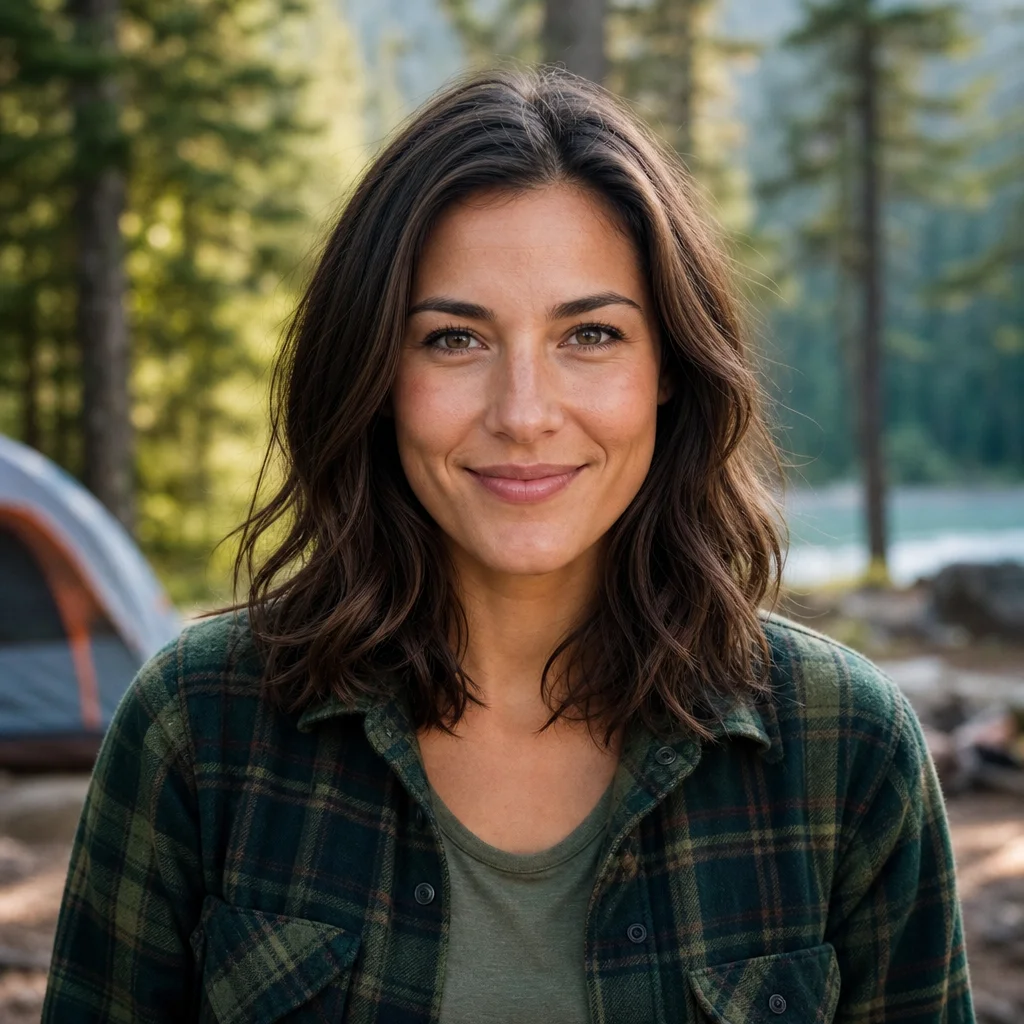
Shoulder-season camping in the Yukon can offer quieter campgrounds, open roads, and a more flexible pace than peak summer. It also narrows your margin for error. A clear afternoon can turn into a freezing night, a routine highway day can include construction or snow, and a campground listed on an old map may have its water shut off or gates closed.
For an experienced road-tripper, the answer isn't to avoid spring or fall travel. It is to plan for a trip that can change shape: carry enough warmth and supplies to be comfortable without services, keep fuel and driving decisions conservative, and treat every overnight stop as something to confirm rather than assume.
Check the route and overnight stops you are about to use
Before leaving a larger Yukon community, confirm current highway conditions and closures through Yukon 511, including construction, flooding, wildfire impacts, and weather advisories. Check the Yukon government, Parks Canada, municipal, or private-operator page for each campground you may use. Confirm whether the access road and gate are open, whether camping is permitted, which services are operating, payment arrangements, fire restrictions, and any bear-related notices. Conditions and operating dates can shift quickly in both spring and fall.
Build your plan around freezing nights
The first frost of the season isn't always a single, predictable event. In many Yukon areas, shoulder-season nights can drop below freezing even when daytime temperatures are comfortable. Valleys, lakeshores, open clearings, and low-lying sites often cool more quickly than a forecast for the nearest town suggests.
Plan your sleep system for temperatures colder than the forecast low. A sleeping bag with an appropriate comfort rating, rather than only a lower-limit rating, is a sensible starting point. Pair it with an insulated sleeping pad: heat loss to cold ground is a common reason a bag that seemed adequate feels disappointing overnight. Two pads—such as a closed-cell foam pad under an insulated inflatable pad—provide useful insurance if you have room.
Bring dry sleep clothes, warm socks, a toque, and an insulating layer reserved for camp and bed. Avoid relying on a campfire as your overnight heat plan. Fires may be restricted, wet wood may be hard to light, and a fire does little once you are inside your tent.
Keep water, food, and batteries from becoming morning problems
Freezing temperatures affect more than comfort. Water filters can be damaged if water freezes inside them, so carry the filter in a pocket or sleeping bag once temperatures approach freezing. Keep a backup method for treatment, such as properly stored tablets or a stove suitable for boiling water.
If your water container is left outside, allow room for expansion and expect that hoses, spigots, and bottle caps can freeze. Store enough drinking water in the vehicle or tent for the next morning rather than depending on a campground tap. Seasonal shutdowns often mean that taps and comfort stations are closed even when a site remains accessible.
Cold also reduces battery performance. Keep phone, camera, headlamp, power bank, and spare batteries warm overnight. Don't count on a vehicle battery to absorb repeated cold starts, cabin heating, charging, and idling without consequence. A tested jump pack, booster cables, and a reliable way to communicate are practical additions for remote travel.
Choose shelter for wind and wet conditions, not just cold
A sturdy three-season tent is often sufficient for established-campground travel, but its setup and site selection matter. Pitch on well-drained ground, use all appropriate guylines when wind is likely, and check that stakes will hold in hard or partly frozen soil. Bring a few stake options and a small ground cloth sized so it doesn't extend beyond the tent floor, where it can collect rain.
Condensation is common when warm breath meets cold tent fabric. Keep vents open as conditions allow, avoid drying wet clothing inside a tightly closed tent, and separate damp outerwear from your sleeping system. A small microfibre towel can make the morning pack-up less unpleasant.
For vehicle-based camping, remember that an idling vehicle isn't a safe sleeping-heating system. Exhaust can enter a vehicle under certain conditions, particularly where snow, mud, or debris affects the exhaust outlet or airflow. Use a properly installed, maintained heating system designed for the purpose if you have one, and follow its manufacturer guidance. Otherwise, rely on insulation and bedding rather than running the engine overnight.
Drive for variable roads, not the best part of the forecast
Yukon highways cover long distances between services, and shoulder-season travel adds more uncertainty. Pavement can be clear in one stretch and slick in another. Frost heaves, soft shoulders, gravel sections, standing water, wildlife, and active roadwork all call for lower speeds and more following distance than summer driving might suggest.
Early morning, shaded curves, bridge decks, and north-facing slopes deserve particular attention because ice can persist there after other surfaces look dry. In spring, thawing and refreezing can create potholes and uneven surfaces; in fall, snow and black ice can arrive before a route feels like winter driving.
Use tires suited to the conditions you may encounter, not just the conditions at your departure point. Check tread condition, pressure, spare tire condition, jack, and wheel-nut key before you leave town. If your route may involve snow or muddy access roads, confirm that your tire choice and vehicle are appropriate. Chains can be useful in some situations, but they require the right fit, clearance, and knowledge; they aren't a substitute for turning around when conditions exceed your setup or skill.
Fuel early and protect your range
Fuel availability can be limited outside larger communities, and a station’s hours or operating status may change seasonally. Treat a half tank as a planning prompt rather than a comfortable reserve when travelling long stretches. Fill up when fuel is available, particularly before heading onto a remote highway or toward a campground with no nearby services.
Carry a basic vehicle kit: a full-size spare if your vehicle supports one, tire repair supplies, an air compressor, recovery gear appropriate to your vehicle, warm layers, food, water, a shovel, traction aid, flashlight, and first-aid kit. Bring paper maps or downloaded offline maps because cellular coverage is inconsistent beyond communities and main corridors.
Tell someone your route and expected check-in time. A satellite communicator or satellite phone is worth considering where you will be outside cell coverage, but it should supplement sound decisions, not encourage riskier travel.
Expect fewer services at campgrounds and in communities
Shoulder season isn't one uniform operating period. Some campgrounds open or close in stages; others may allow camping while water, showers, garbage collection, firewood, reservation systems, or staffed kiosks are unavailable. Private campgrounds, territorial recreation sites, national park facilities, and municipal sites can all operate differently.
Make each night workable as though you will have no potable water, no firewood, no electricity, no dump station, and no nearby store. Bring:
- enough water for drinking, cooking, dishes, and a modest reserve;
- meals that can be prepared with your own stove and fuel;
- a reliable stove plus the fuel type it requires;
- garbage bags and a sealable container for food and scented items;
- toilet paper and a trowel only where backcountry disposal is permitted and appropriate;
- a way to manage human waste if facilities are closed; and
- cash or an accepted electronic payment method, as campground payment systems vary.
Don't assume a closed campground is available for informal overnight parking. Gates, signs, and seasonal closures may protect roads, wildlife habitat, facilities, or visitor safety. Use a confirmed legal overnight option or continue to a location where camping is explicitly allowed.
Make food storage and wildlife awareness part of every stop
Wildlife activity doesn't end when summer crowds thin out. Bears may still be active until they den, and other animals can be drawn to food, garbage, coolers, pet food, dishwater, and scented products. Seasonal patterns vary with location, food availability, and weather, so avoid relying on calendar-based assumptions.
At camp, follow site-specific food-storage rules. Where bear-proof lockers are supplied, use them. Otherwise, secure food and scented items in a hard-sided vehicle when that is permitted and practical, keeping the interior tidy and windows closed. Never leave coolers, garbage, cookware, or food scraps outside overnight.
Keep a clean cooking area, pack out garbage when bins are unavailable, and know how to use bear spray before you need it. Carry it accessible on your person when walking, not buried in a vehicle or pack. Give wildlife space, keep pets controlled, and change plans if an animal’s behaviour or a posted notice indicates that an area is unsuitable.
Use a flexible itinerary with deliberate exit points
A Yukon shoulder-season route works best when it has options. Identify a primary campground, one or two legal backups, the next dependable fuel stop, and a community where you could spend the night indoors if weather, roads, or equipment change the plan.
Avoid filling every day with long driving distances. A shorter planned day gives you time to inspect a site before dark, set up while temperatures are still manageable, and leave room for a weather delay. It also makes it easier to choose a hotel, cabin, or serviced campground without treating that choice as a failure. In shoulder season, flexibility is often the most useful piece of equipment you carry.
A practical departure checklist
On the morning you leave a community, take ten minutes to confirm the essentials:
- Check the road forecast, highway conditions, and any advisories for your full route.
- Confirm tonight’s campground status and a legal backup overnight location.
- Fill the fuel tank and top up drinking water.
- Download maps and save key contacts or campground details offline.
- Check tire condition, lights, wipers, washer fluid, and battery charge.
- Put cold-weather layers, food, water treatment, headlamps, and communications gear where they are easy to reach.
- Tell a contact where you expect to stop and when you will check in.
If the conditions, services, or route no longer match your vehicle and equipment, adjust early. A shorter drive, a different campground, or a night in town can preserve the trip—and make the next clear morning much more enjoyable.